
Where to Sell Handmade Crafts: Your Ultimate Guide
Unlock your handmade business potential by finding the perfect marketplaces and strategies to sell your unique creations.
Start Selling Today!Key Takeaways
- ✓ The US handmade market is a multi-billion dollar industry with significant growth potential.
- ✓ Online platforms offer global reach, while local markets provide direct customer interaction.
- ✓ Understanding your target audience is crucial for selecting the right sales channel.
- ✓ Pricing your crafts correctly is essential for profitability and market competitiveness.
How It Works
Identify what makes your crafts unique and who your ideal customer is. This clarity will guide your choice of selling platforms and marketing efforts.
Select a mix of online marketplaces, social media, and local events that best suit your products and business goals. Consider reach, fees, and effort required.
Create compelling product listings with high-quality photos and descriptions. Build a strong brand story to connect with potential buyers.
Actively promote your crafts through social media, email marketing, and engaging with your community. Continuously analyze sales data to refine your strategy.
Navigating the Digital Landscape: Online Marketplaces for Your Creations
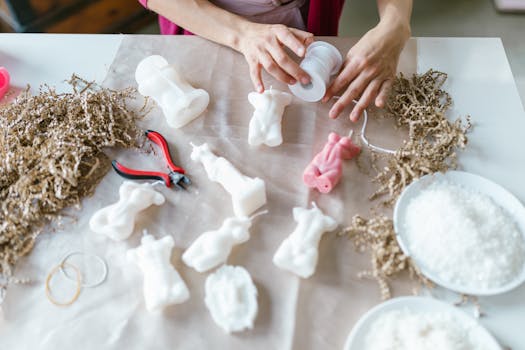 Photo: RDNE Stock project / Pexels
Beyond Etsy, other specialized marketplaces cater to different niches or offer alternative business models. For example, Shopify allows you to create your own independent e-commerce store, giving you complete control over your brand, design, and customer experience. While it requires more initial setup and marketing effort on your part, the lack of transaction fees (beyond payment processing) and the ability to build a direct relationship with your customers can be highly rewarding in the long run. It's ideal for those looking to scale their brand and establish a strong, distinct online presence. Additionally, platforms like Amazon Handmade provide access to Amazon's enormous customer base, leveraging their trusted brand and logistics infrastructure. However, Amazon Handmade has stricter application processes and higher fees, making it more suitable for established crafters with consistent production capabilities.
Other options include smaller, curated platforms such as ArtFire, which focuses on art, craft, and vintage items, or even sites like Zibbet, which allows you to list across multiple sales channels from a single dashboard. The key to success on any online platform lies in presenting your items professionally. High-resolution, well-lit photographs are non-negotiable, as customers cannot physically touch or inspect your products. Detailed, engaging product descriptions that tell the story behind your craft and highlight its unique qualities can significantly increase conversion rates. Furthermore, active engagement with customers through prompt responses to inquiries and excellent post-purchase support builds trust and encourages repeat business. Regularly updating your shop, running promotions, and utilizing social media to drive traffic to your listings are all vital components of a successful online selling strategy. Exploring different platforms and understanding their strengths in relation to your specific crafts and business goals is a crucial first step in mastering where to sell handmade crafts online. For more insights on digital branding, check out our guide on crafting your online brand identity.
Lastly, don't overlook the power of social commerce. Platforms like Instagram and Facebook have evolved beyond mere social networking into powerful selling tools. Instagram Shopping allows you to tag products directly in your posts and stories, enabling customers to purchase with ease. Facebook Marketplace and Facebook Shops offer similar functionalities, often with lower fees than dedicated marketplaces. These platforms are particularly effective for visual crafts and for building a direct connection with your audience through engaging content and live selling events. The integration of social media with your e-commerce strategy can create a seamless shopping experience and significantly expand your reach. Remember, diversifying your online presence can mitigate risks associated with relying on a single platform and open up new avenues for sales. Each platform caters to slightly different audiences and offers unique tools, so a thoughtful approach to platform selection, combined with consistent effort in presentation and marketing, will pave the way for a thriving online handmade business.
Connecting Locally: Craft Fairs, Markets, and Brick-and-Mortar Opportunities
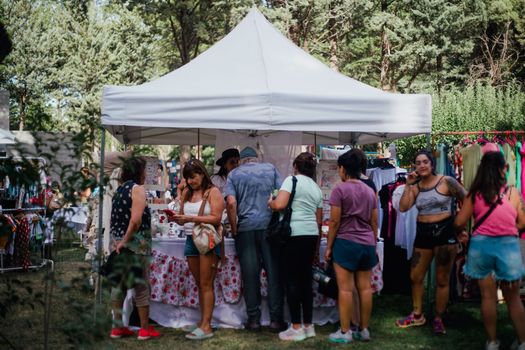 Photo: Elias Jara / Pexels
Craft fairs and artisan markets are perhaps the most popular local avenues for selling handmade goods. These events range from small community gatherings to large, juried shows that attract thousands of visitors. Researching local event calendars, art councils, and fair organizers is the first step. Look for shows that align with your product type and target demographic. For instance, a vintage-inspired jewelry maker might thrive at a retro-themed market, while a ceramic artist might find success at a fine art festival. Booth presentation is paramount at these events. A well-designed, inviting display that showcases your products effectively can significantly impact sales. Consider lighting, signage, pricing, and how customers will interact with your items. Having business cards, a way to collect email addresses, and the ability to process card payments (via Square, PayPal Here, etc.) are also essential for a professional setup.
Beyond dedicated craft fairs, consider participating in farmers' markets, holiday bazaars, and pop-up shops. Many farmers' markets are expanding to include local artisans, offering a consistent weekly selling opportunity with built-in foot traffic. Holiday bazaars, especially during the festive season, can be incredibly lucrative, as shoppers are actively looking for unique gifts. Pop-up shops, either solo or in collaboration with other makers, allow you to test new locations or themes without the long-term commitment of a permanent storefront.
For a more consistent local presence, explore consignment opportunities with local boutiques, gift shops, or art galleries. Many small businesses are eager to stock unique, locally made goods that differentiate them from larger retailers. This arrangement typically involves the store taking a percentage of each sale, but it can provide a steady income stream and broader exposure without requiring your constant physical presence. When approaching stores, have a professional portfolio or line sheet ready, clearly outlining your products, pricing, and terms. Building relationships with local shop owners can lead to long-term partnerships and even exclusive opportunities.
Finally, don't underestimate the power of your own community. Hosting open studio events, participating in local art walks, or even organizing a small gathering at your home can create intimate selling experiences. Word-of-mouth marketing is incredibly powerful in local settings, so providing excellent customer service and high-quality products will encourage referrals. Engaging with local business groups and artist collectives can also open doors to collaborative projects and shared selling spaces. The human connection fostered through in-person sales can build a loyal customer base and provide invaluable insights into your market, making local selling a vital component of a diversified strategy for where to sell handmade crafts.
Building Your Brand: Direct-to-Consumer and Social Selling Strategies
 Photo: Mikael Blomkvist / Pexels
Social selling has transformed how artisans connect with buyers, turning social media platforms into dynamic storefronts and community hubs. Instagram, with its visual-first approach, is particularly powerful for handmade crafts. Utilize high-quality images and videos to showcase your products, your workspace, and your creative process. Features like Instagram Shopping, Reels, and Stories allow for diverse content creation, from product demonstrations to behind-the-scenes glimpses. Engaging with your audience through comments, DMs, and polls helps build a loyal following that can convert into sales. Similarly, Facebook offers Facebook Shops and Marketplace, providing another avenue to list products and reach a broad audience. Facebook Groups dedicated to handmade crafts or local buying/selling can also be highly effective for targeted outreach.
Live selling events on platforms like Instagram Live, Facebook Live, or even dedicated live selling apps are gaining immense popularity. These interactive sessions allow you to showcase your products in real-time, answer questions, and build excitement, often leading to impulse purchases. The immediacy and personal connection of live selling create a unique shopping experience that traditional e-commerce often lacks. Consider collaborating with other artisans or influencers to expand your reach during these events.
Pinterest, while not a direct selling platform in the same way as Instagram or Facebook, acts as a powerful visual search engine and discovery tool. Optimize your product pins with rich keywords and direct links back to your website or online store. Many users turn to Pinterest for inspiration and gift ideas, making it an excellent channel for increasing brand visibility and driving traffic. Similarly, TikTok offers a unique opportunity for creative short-form video content that can go viral and introduce your crafts to a massive, often younger, audience. Showing the making process, packaging orders, or sharing relatable artisan struggles can build a strong connection.
Building a robust email list is another critical component of a direct-to-consumer strategy. Offer incentives like a discount code for signing up, and then consistently deliver valuable content, new product announcements, and exclusive offers. Email marketing provides a direct line of communication with your most engaged customers and is less susceptible to algorithm changes than social media. By combining a strong personal brand website with active and strategic social media engagement, you can create a powerful ecosystem that effectively answers the question of where to sell handmade crafts and builds a sustainable, thriving business. For deeper dives into online marketing, explore our articles on digital marketing for artists.
Finally, don't overlook niche communities and forums. Websites like Reddit have subreddits dedicated to specific crafts, art forms, and even selling handmade goods. Participating genuinely in these communities, sharing your expertise, and occasionally (and appropriately) showcasing your work can build credibility and drive traffic. Always review community rules regarding self-promotion to avoid being perceived as spammy. The goal is to become a trusted member of the community, which naturally leads to interest in your creations. These direct and social strategies, when executed thoughtfully, can create a powerful and resilient sales pipeline for your handmade business.
Essential Tips for Selling Your Handmade Crafts & Common Mistakes to Avoid
 Photo: Anna Shvets / Pexels
Essential Tips:
- Know Your Costs & Price Strategically: Accurately calculate the cost of materials, your time, packaging, and platform fees. Your pricing should cover these costs, provide a profit, and be competitive. Don't undersell your work; value your time and skill.
- High-Quality Photography is Non-Negotiable: In a visual market, clear, well-lit, and attractive photos are your most powerful selling tool. Invest in good lighting (natural light is often best), multiple angles, and lifestyle shots that show your product in use.
- Tell Your Story: People buy handmade because of the story behind it. Share your inspiration, your process, and what makes your craft unique. This creates an emotional connection with buyers.
- Excellent Customer Service: Respond promptly to inquiries, be transparent about shipping times, and handle any issues gracefully. Happy customers are repeat customers and powerful brand advocates.
- Build an Email List: This is your most valuable marketing asset. Offer a small discount or exclusive content for signing up. Use it to announce new products, sales, and share your journey.
- Diversify Your Selling Channels: Don't put all your eggs in one basket. Combine online marketplaces, your own website, and local markets to reach a wider audience and mitigate risks.
- Legal & Tax Considerations: Understand the legal requirements for selling crafts in your state (e.g., business licenses, sales tax permits). Keep meticulous records of income and expenses for tax purposes.
- Invest in Packaging: Thoughtful, branded packaging enhances the customer experience and reinforces your brand's professional image. It's an extension of your craft.
- Continuously Learn & Adapt: The market is always changing. Stay updated on trends, new platforms, and marketing strategies. Be open to feedback and refine your products and processes.
Common Mistakes to Avoid:
- Underpricing Your Work: This is perhaps the most common mistake. It devalues your craftsmanship and makes your business unsustainable.
- Poor Product Descriptions: Don't just list materials. Describe the benefits, the feel, the inspiration, and how it can be used. Use keywords people might search for.
- Ignoring SEO: Whether on Etsy, your own website, or Pinterest, use relevant keywords in your titles, tags, and descriptions to ensure your products are discoverable.
- Inconsistent Branding: Your brand identity (logo, colors, voice) should be consistent across all platforms to build recognition and trust.
- Lack of Professionalism: From blurry photos to slow responses or incomplete policies, unprofessionalism deters buyers.
- Not Engaging with Your Audience: Social media isn't just for posting; it's for interacting. Respond to comments, ask questions, and build a community.
- Ignoring Analytics: Most platforms provide data on views, sales, and popular items. Use this information to make informed decisions about your products and marketing.
- Failing to Adapt to Feedback: While not every piece of feedback is valid, patterns of suggestions or complaints should be taken seriously to improve your offerings.
By embracing these tips and avoiding common pitfalls, you can build a robust and successful business, no matter where you choose to sell handmade crafts.
Comparison
| Feature | Etsy | Shopify (Own Store) | Local Craft Fairs | Amazon Handmade |
|---|---|---|---|---|
| Audience Reach | Large, specific | Build your own | Local, direct | Massive, general |
| Control & Branding | Limited | Full | High (booth) | Limited |
| Fees | Listing + Transaction | Monthly + Processing | Booth + Commission | Referral + Professional Plan |
| Setup Difficulty | Easy | Moderate | Moderate (display) | Moderate (application) |
| Marketing Effort | Moderate (internal) | High (external) | Moderate (local) | Low (platform-driven) |
| Direct Customer Interaction | Via messages | Full | High | Via messages |
| Scalability | Moderate | High | Limited by events | High |
What Readers Say
"Before reading this, I was lost on where to sell handmade crafts. The detailed breakdown of Etsy vs. my own site was a game-changer. My sales have jumped 30%!"
Sarah J. · Austin, TX"I thought craft fairs were dead, but this guide showed me how to pick the right ones and set up a killer booth. I sold out of my pottery at the last market!"
Mark D. · Portland, OR"The tips on pricing and photography were invaluable. My product listings look so much more professional now, and I'm finally making a decent profit on my jewelry."
Emily R. · Miami, FL"While the online section was great, I wished there was a bit more on getting into curated galleries. Still, a very comprehensive resource for any artisan."
David C. · Denver, CO"As a new crafter, knowing where to sell handmade crafts felt overwhelming. This article broke it down perfectly, giving me the confidence to launch my online store and attend my first local market."
Jessica L. · Seattle, WAFrequently Asked Questions
What's the best platform for beginners looking where to sell handmade crafts?
For beginners, Etsy is often recommended due to its established audience specifically seeking handmade items and its relatively easy setup. It allows you to test the waters without needing to build an entire website from scratch, though its fees should be factored into your pricing strategy.
How do I price my handmade crafts effectively to ensure profit?
To price effectively, calculate all your costs: materials, labor (your hourly rate), packaging, and platform fees. A common formula is (Materials + Labor) x 2 or 3, then add any additional overhead and profit margin. Research competitors' pricing for similar items to ensure you're competitive yet profitable.
What are the legal requirements for selling handmade crafts in the US?
Legal requirements vary by state and locality, but generally, you'll need to register your business (e.g., as a sole proprietorship or LLC), obtain a sales tax permit if you're collecting sales tax, and understand income tax obligations. Always check with your local government and a tax professional.
Is it better to sell on my own website or a marketplace like Etsy?
Both options have merits. An own website (e.g., Shopify) offers full brand control and higher profit margins per sale but requires more marketing effort. Marketplaces like Etsy provide built-in traffic but come with fees and less control over your brand presentation. Many successful artisans use a hybrid approach.
How can I make my handmade crafts stand out in a crowded market?
To stand out, focus on high-quality, unique products, professional photography, compelling storytelling about your craft, excellent customer service, and consistent branding. Niche down if possible, and actively engage with your audience to build a loyal community around your work.
Who should consider selling handmade crafts?
Anyone with a passion for creating unique, high-quality items and a desire to turn their hobby into a business should consider selling handmade crafts. It's ideal for those who enjoy the creative process, are willing to learn about marketing and business management, and love connecting directly with customers who appreciate handmade goods.
What are the risks associated with selling handmade crafts online?
Risks include platform dependency (e.g., algorithm changes, fee increases), intense competition, managing shipping logistics, dealing with returns/disputes, and protecting intellectual property. Diversifying sales channels and building a strong brand can mitigate many of these risks.
What future trends should handmade craft sellers be aware of?
Future trends include a continued rise in demand for sustainable and ethically sourced materials, personalized and custom-made items, and the growing importance of short-form video content (TikTok, Reels) for marketing. Live selling and augmented reality (AR) shopping experiences are also gaining traction.
Ready to turn your passion into profit? This comprehensive guide on where to sell handmade crafts has equipped you with the knowledge and strategies to find your ideal customers and grow your business. Start implementing these tips today and watch your handmade creations find their perfect homes!