✓ The global craft market is projected to reach over $50 billion by 2028.
✓ Etsy remains the largest and most popular platform for handmade goods.
✓ Diversifying your sales channels can significantly increase your reach and revenue.
✓ Understanding platform fees, audience, and features is crucial for success.
How It Works
1
Define Your Niche & Products
Clearly identify what makes your handmade crafts unique and who your target audience is. This helps in choosing the right platforms and marketing strategies.
2
Research & Select Platforms
Investigate various online marketplaces, considering their fees, audience demographics, and seller tools. Choose platforms that align best with your brand and product type.
3
Optimize Your Listings
Create compelling product descriptions, high-quality photographs, and use relevant keywords to ensure your crafts are easily discoverable. Professional presentation is key to attracting buyers.
4
Market & Engage Your Audience
Promote your online shop through social media, email marketing, and engaging with potential customers. Building a community around your brand fosters loyalty and repeat business.
Navigating the Best Online Marketplaces for Handmade Goods
Photo: RDNE Stock project / Pexels
The digital landscape offers an unprecedented opportunity for artisans to share their unique creations with the world. For anyone asking "where to sell handmade crafts online," the sheer volume of options can be overwhelming. The key to success isn't just picking *any* platform, but selecting the *right* platform(s) that align with your brand, product type, and business goals. Each marketplace has its own ecosystem, audience, fee structure, and set of tools designed to help sellers. Understanding these nuances is critical for a sustainable and profitable online craft business.
Etsy, without a doubt, is the behemoth in the handmade craft world. It's often the first place people think of when looking for unique, handcrafted items. Its massive audience, dedicated search engine for handmade goods, and relatively low barrier to entry make it an attractive starting point for many. However, its popularity also means high competition. To stand out on Etsy, you need exceptional product photography, detailed and keyword-rich descriptions, and a strong brand identity. Sellers also need to be mindful of Etsy's transaction fees, listing fees, and payment processing fees, which can add up. Despite the competition, Etsy's established customer base and robust seller tools make it an indispensable platform for many artisans.
Beyond Etsy, there are numerous specialized marketplaces catering to different niches. For instance, if your crafts lean towards fine art, platforms like Saatchi Art or Artfinder might be more appropriate, offering a more curated experience and reaching a different demographic. If your items are more luxurious or high-end, you might explore platforms like The Grommet (though they focus on innovative products, some handmade items fit) or even consider building your own Shopify store for complete brand control and a premium feel. The choice of platform should always reflect your product's value proposition and your ideal customer. A deep dive into each platform's terms of service, seller community, and marketing opportunities will empower you to make an informed decision. Remember, the goal is not just to list your items, but to place them where they are most likely to be discovered and appreciated by buyers who value handmade quality. Diversifying your presence across a few complementary platforms can also be a smart strategy to maximize reach and mitigate risk. For more insights on starting your craft journey, explore our guide on how to start an art business.
Building Your Own Online Store vs. Marketplace Dependence
Photo: https://kaboompics.com/ / Pexels
While marketplaces offer immediate access to a large audience, relying solely on them can have drawbacks. Marketplaces control the customer experience, often dictate pricing and policies, and can change their algorithms or fee structures without much notice. This is why many successful artisans eventually explore building their own independent online store. Platforms like Shopify, WooCommerce (for WordPress users), and Big Cartel provide the tools to create a fully customized e-commerce website. The primary advantage here is complete brand control. You decide the look and feel, the customer journey, and you own all the customer data, allowing for direct marketing and relationship building.
Setting up your own store requires more upfront effort and marketing investment. Unlike marketplaces where customers are actively searching for products, you are responsible for driving traffic to your site. This involves search engine optimization (SEO), social media marketing, email campaigns, and potentially paid advertising. However, the long-term benefits often outweigh these initial challenges. With your own store, you pay subscription fees (for platforms like Shopify) or hosting fees (for WooCommerce) rather than a percentage of every sale, which can be more cost-effective as your sales grow. You also have the freedom to offer unique promotions, bundles, and loyalty programs without platform restrictions.
For artisans just starting out, a hybrid approach might be best. Begin by listing your crafts on a popular marketplace like Etsy to gain initial exposure, customer feedback, and sales experience. As your brand grows and you understand your customer base better, invest in building your own online store. You can then use your marketplace presence to drive traffic to your independent site, creating a synergistic sales strategy. This approach allows you to leverage the existing audience of marketplaces while gradually building your own dedicated customer base and brand equity. It's a strategic move to secure your business's future and reduce dependence on third-party platforms, giving you more control over your destiny as an artisan entrepreneur.
Leveraging Social Media and Niche Platforms for Unique Crafts
Photo: Thirdman / Pexels
Beyond the big names, the digital world is rich with niche platforms and social media channels that can be incredibly powerful for selling handmade crafts, especially if your items cater to a very specific audience. Instagram, for example, has transformed into a visual storefront for countless artisans. Its emphasis on high-quality imagery makes it ideal for showcasing the beauty and detail of handmade goods. Features like Instagram Shopping, shoppable posts, and direct messaging allow for a seamless selling experience. Building an engaged following on Instagram requires consistent posting, compelling storytelling, and active interaction with your audience. It's not just about selling; it's about building a community around your brand and your creative process.
Facebook Marketplace and Facebook Shops also offer avenues for selling, particularly for local sales or reaching a broad, general audience. While not as curated as Etsy, they can be effective for certain types of crafts or for artisans looking to expand their local reach. Pinterest, another highly visual platform, acts as a powerful discovery engine. Many users go to Pinterest specifically for inspiration and product discovery, making it an excellent place to share your crafts and link back to your selling platforms. Optimizing your pins with rich keywords and high-quality images can drive significant traffic to your listings.
For truly unique or specialized crafts, consider platforms that cater to specific interests. For example, if you create handmade cosplay props, sites like DeviantArt or specialized forums might connect you directly with your target demographic. If your crafts are environmentally friendly or sustainably sourced, platforms dedicated to ethical consumerism could be a better fit. The key is to think about where your ideal customer spends their time online and meet them there. This often means moving beyond the mainstream and exploring less competitive, yet highly engaged, communities. Engaging directly with these niche audiences can lead to higher conversion rates and a more loyal customer base, as these buyers are often actively seeking out specific, handcrafted items they can't find elsewhere. Understanding your audience is paramount, and adapting your strategy to their online habits is a game-changer when deciding where to sell handmade crafts online.
Key Considerations and Common Mistakes When Selling Crafts Online
Photo: Iván Hernández-Cuevas / Pexels
Successfully selling handmade crafts online involves more than just listing products; it requires strategic planning and consistent effort. Here are some critical considerations and common pitfalls to avoid:
* **High-Quality Photography is Non-Negotiable:** Your product photos are your storefront online. Blurry, poorly lit, or inconsistent images will deter potential buyers. Invest in good lighting, a clean background, and multiple angles. Show your product in use or next to a familiar object for scale.
* **Detailed & Keyword-Rich Descriptions:** Don't just list features; tell a story. Describe the materials, the process, the inspiration, and the benefits. Use relevant keywords that potential customers might search for to improve discoverability.
* **Understand Shipping Logistics & Costs:** Shipping can make or break a sale. Clearly state your shipping policies, costs, and estimated delivery times. Factor shipping materials into your pricing. Consider offering tracking and insurance, especially for high-value items.
* **Transparent Pricing Strategy:** Your price needs to cover materials, labor, platform fees, marketing, and profit. Don't undersell your work. Research competitor pricing but value your unique artistry.
* **Excellent Customer Service:** Respond promptly to inquiries, handle issues professionally, and go the extra mile. Positive reviews and repeat customers are invaluable.
* **Marketing Beyond the Platform:** Don't expect sales just because you listed an item. Promote your shop on social media, through email newsletters, and consider collaborations with other artisans or influencers.
* **Legal Compliance:** Understand sales tax obligations, intellectual property rights (especially if using licensed characters or designs), and privacy policies (GDPR, CCPA if applicable).
* **Don't Put All Your Eggs in One Basket:** Diversify your sales channels. If one platform changes its policies or loses popularity, you'll have other avenues to rely on. This reduces risk and expands your reach.
* **Neglecting Analytics:** Pay attention to your shop's data. What are your best-selling items? Where are your customers coming from? What keywords are they using? Use this information to refine your strategy.
* **Ignoring Packaging:** Your packaging is part of the customer experience. Make it thoughtful, branded, and protective. A great unboxing experience can lead to rave reviews and repeat business.
Avoiding these common mistakes and focusing on these key considerations will significantly increase your chances of success in the competitive online handmade craft market.
Comparison
Feature
Etsy
Shopify (Own Store)
Amazon Handmade
Facebook Marketplace
Audience Size
Very Large (Handmade Focused)
Owner Driven (Scalable)
Large (General Amazon)
Large (Local/General)
Ease of Setup
Easy
Moderate
Moderate
Very Easy
Brand Control
Limited
Full
Limited
Limited
Fees (Approx.)
Listing + Transaction %
Monthly Subscription + Transaction %
% of Sale + Referral Fee
Free (for individuals)
Marketing Tools
Basic Internal
Extensive (Apps/Plugins)
Internal Ads
Basic Internal
Competition Level
High
Owner Driven
High
Moderate
Customer Support
Moderate
Excellent
Moderate
Basic
What Readers Say
★★★★★
"Deciding where to sell handmade crafts online felt impossible, but this guide broke down the pros and cons of each platform perfectly. I chose a hybrid approach with Etsy and my own Shopify site, and it's working wonders for my pottery business!"
Sarah J. · Austin, TX
★★★★★
"The advice on product photography and detailed descriptions was a game-changer. My sales on Amazon Handmade have jumped significantly since implementing these tips, proving that presentation is everything."
Michael D. · Portland, OR
★★★★★
"I was hesitant to build my own website, but after reading about the brand control benefits, I took the plunge with Shopify. My conversion rate is higher, and I love having direct access to my customer data. This article provided the confidence I needed."
Emily R. · Miami, FL
★★★★★
"While I still find Etsy to be the most convenient, the section on diversifying sales channels really resonated. I've started exploring Instagram Shopping more seriously, and it's bringing in a new audience I wasn't reaching before. Very helpful insights."
David K. · Denver, CO
★★★★★
"As a jewelry maker, the niche platform suggestions were invaluable. I'm now exploring a few art-focused marketplaces and feeling much more aligned with their aesthetic. This guide clarified so many questions about where to sell handmade crafts online."
Jessica L. · Seattle, WA
Frequently Asked Questions
What is the best platform where to sell handmade crafts online for beginners?
For beginners, Etsy is often recommended due to its large, established audience specifically looking for handmade items, and its user-friendly interface. While competition is high, it offers a relatively low barrier to entry and robust seller tools to get started quickly.
Is it better to sell on a marketplace or build my own website?
Both options have merits. Marketplaces offer immediate audience access but less control, while your own website provides full brand control and higher profit margins but requires more marketing effort. A hybrid approach, starting with a marketplace and gradually building your own site, is often the most strategic.
How do I price my handmade crafts competitively online?
To price competitively, calculate your material costs, labor (hourly rate x time spent), and overhead. Add a profit margin, and then research similar items on your chosen platform. Ensure your price covers all costs, including platform fees and shipping, while remaining attractive to buyers.
What are the typical fees associated with selling handmade crafts online?
Fees vary significantly by platform. Etsy charges listing fees, transaction fees, and payment processing fees. Shopify has monthly subscription plans plus transaction fees if you don't use their payment gateway. Amazon Handmade has a percentage referral fee per sale. Always review each platform's current fee structure carefully.
Can I sell the same handmade crafts on multiple platforms?
Yes, you can absolutely sell the same handmade crafts on multiple platforms. This strategy, known as multi-channel selling, can significantly increase your reach and sales. However, it requires careful inventory management to avoid overselling and consistent branding across all channels.
Who should consider selling handmade crafts online?
Anyone with a passion for creating unique, handcrafted items and a desire to turn that passion into a business should consider selling online. It's ideal for those who can consistently produce quality goods, are comfortable with online marketing, and enjoy connecting with a global customer base.
Are there any legal requirements for selling crafts online in the US?
Yes, key legal requirements include registering your business (sole proprietorship, LLC, etc.), obtaining necessary business licenses and permits, understanding and collecting sales tax for your state and any states you have nexus in, and adhering to consumer protection laws regarding product safety and transparency. Consulting with a local business advisor is recommended.
What are the future trends for selling handmade crafts online?
Future trends include a continued rise in personalized and custom-made items, increased demand for sustainable and ethically sourced crafts, the growing importance of short-form video content (TikTok, Reels) for product showcasing, and the integration of augmented reality (AR) for virtual product try-ons. Community-building and authentic brand storytelling will also remain crucial.
Embarking on the journey of selling handmade crafts online can be incredibly rewarding. By carefully selecting the right platforms, optimizing your listings, and consistently engaging with your audience, you can transform your creative passion into a thriving business. Start exploring these avenues today and share your unique artistry with the world.

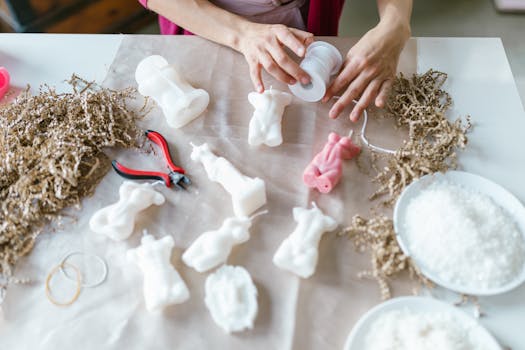 Photo: RDNE Stock project / Pexels
 Photo: https://kaboompics.com/ / Pexels
 Photo: Thirdman / Pexels
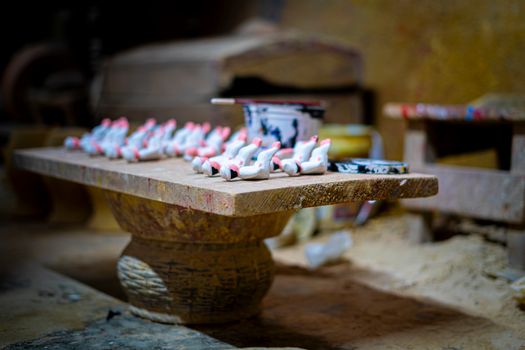 Photo: Iván Hernández-Cuevas / Pexels