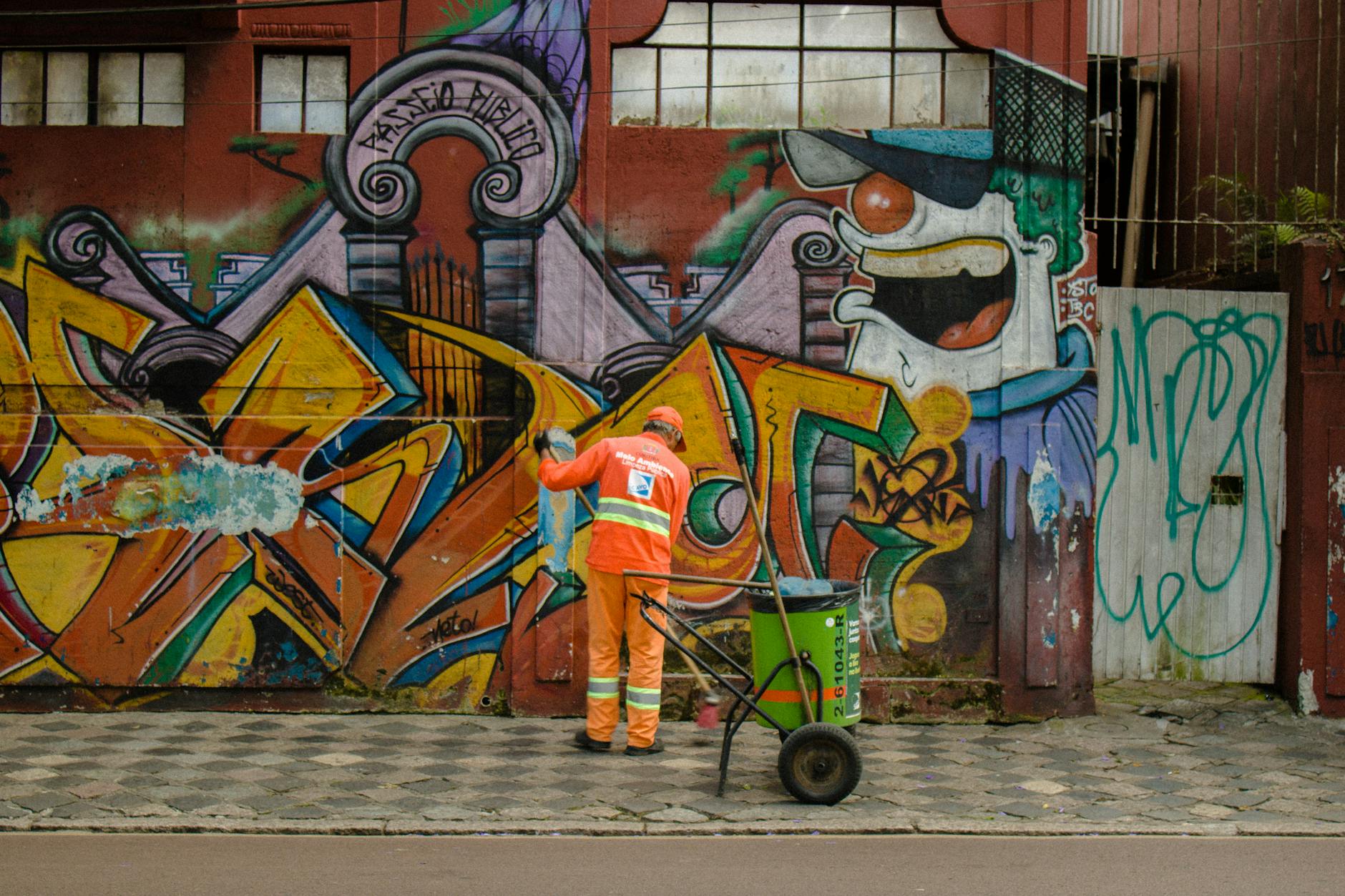
Where to Find Street Art: Your Ultimate US Guide
where to find street art

Where to Find Street Art: Your Ultimate US Guide

Uncover the most vibrant street art scenes and hidden urban masterpieces across the United States.

Start Your Art Hunt

Key Takeaways

  • ✓ Street art is a dynamic, ever-evolving art form found in public spaces.
  • ✓ Major US cities like NYC, LA, Miami, and Philadelphia are street art hubs.
  • ✓ Websites, apps, and local tours are excellent resources for finding art.
  • ✓ Respecting artists' work and private property is crucial when exploring.

How It Works

1
Identify Your City

Choose a US city known for its vibrant arts scene. Research its specific neighborhoods or districts famous for street art.

2
Utilize Online Resources

Consult dedicated street art websites, blogs, and social media accounts. Many cities have specific mural maps or public art guides available online.

3
Join a Guided Tour

For an in-depth experience, consider booking a local street art tour. Knowledgeable guides often share insights into the artists, techniques, and cultural significance.

4
Explore with an Open Mind

Wander through neighborhoods, keeping an eye out for unexpected pieces. Some of the best street art is found off the beaten path, rewarding curious explorers.

The Allure of Urban Art and Why It Matters
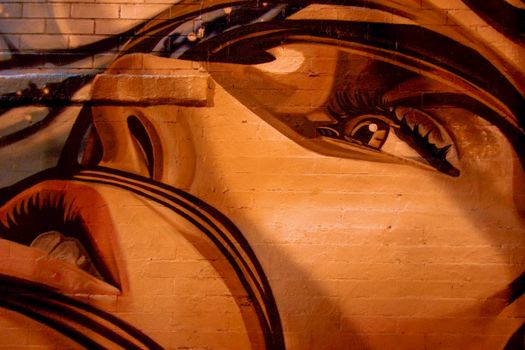
Colorful mural of a face showcasing vibrant street art on a city wall. Photo: Eduardo Romero / Pexels
Street art, often ephemeral and always evolving, has transcended its origins as a subculture to become a celebrated and integral part of the global art landscape. In the United States, this transformation is particularly evident, with cities embracing murals, graffiti, and public installations as powerful tools for cultural expression, community engagement, and urban revitalization. But what exactly is it about street art that captivates so many, and why is knowing where to find street art becoming an increasingly popular quest for art enthusiasts and travelers alike? At its core, street art is democratic. It's art for the people, by the people, accessible to everyone without the barrier of museum entry fees or gallery appointments. It transforms mundane walls, forgotten alleyways, and industrial facades into vibrant canvases, injecting life and color into the urban fabric. Each piece tells a story, whether it's a political statement, a cultural narrative, a whimsical fantasy, or a simple burst of aesthetic beauty. Artists often use their work to comment on social issues, celebrate local heroes, or simply bring joy to passersby. This immediacy and relevance make street art a powerful medium, reflecting the pulse of a community in a way that traditional art forms often cannot. Moreover, the ephemeral nature of much street art adds to its mystique. A mural might be painted over, a graffiti piece might be buffed, or a sticker art installation might be removed. This impermanence encourages viewers to seek out and appreciate these works in the moment, fostering a sense of urgency and discovery. It's a living, breathing gallery that constantly reinvents itself. For many, the hunt for new pieces is as thrilling as the discovery itself, turning a simple walk through a neighborhood into an exciting artistic adventure. Beyond its aesthetic appeal, street art plays a significant role in urban development. It can deter vandalism, attract tourism, and foster a sense of pride among residents. Neighborhoods once overlooked can become vibrant cultural destinations, drawing visitors and local businesses alike. Cities like Miami's Wynwood Walls or Philadelphia's Mural Arts Program are prime examples of how strategic investment in street art can transform entire districts, creating economic opportunities and enhancing quality of life. Understanding this broader impact enriches the experience of seeking out and appreciating these incredible works, making the quest of where to find street art not just an aesthetic pursuit, but a cultural exploration.

Top US Cities: Your Street Art Hotspots
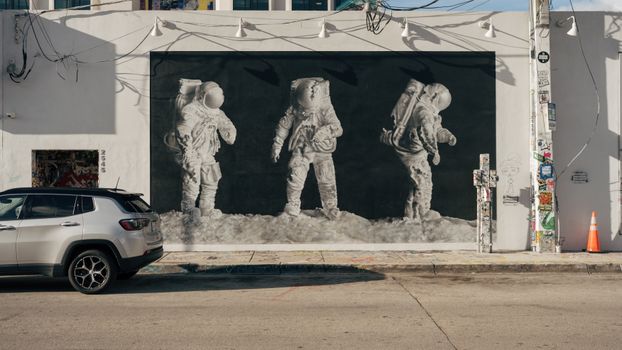
Street art featuring astronauts in urban setting with parked SUV. Photo: Sami Abdullah / Pexels
The United States is a sprawling canvas for street artists, with certain cities emerging as epicenters of this dynamic art form. Knowing which cities to target is the first step in your quest to discover the nation's most impressive murals and graffiti. Each city offers a distinct flavor of street art, reflecting its unique history, culture, and social landscape. **New York City, New York:** The birthplace of modern graffiti, NYC remains a global street art mecca. While the subway cars of yesteryear are largely free of tags, neighborhoods like Bushwick in Brooklyn are veritable open-air galleries. The Bushwick Collective is a must-visit, featuring hundreds of large-scale murals by local and international artists that change frequently. Other areas like the Lower East Side, East Village, and even parts of Harlem also boast significant street art presence. The sheer volume and diversity of styles here are unparalleled. **Los Angeles, California:** From the vibrant murals of the Arts District to the iconic Chicano art of East LA, Los Angeles offers a sprawling and diverse street art scene. The city's car culture means many murals are designed to be seen from a vehicle, often stretching across entire blocks. Venice Beach is another hotspot, with its boardwalk and surrounding streets adorned with colorful pieces. LA's street art often reflects its diverse population, Hollywood influence, and social justice movements, making it a rich tapestry of visual storytelling. **Miami, Florida:** Wynwood Walls single-handedly put Miami on the global street art map. What was once a derelict warehouse district is now an internationally renowned outdoor museum, attracting millions of visitors. Beyond the curated walls, the entire Wynwood neighborhood is saturated with murals, graffiti, and installations. Art Basel Miami Beach also brings a fresh wave of temporary and permanent installations each year, solidifying Miami's reputation as a vibrant street art destination. **Philadelphia, Pennsylvania:** Home to the nation's largest public art program, Mural Arts Philadelphia, this city is a testament to the power of street art for community building. With over 4,000 murals, Philadelphia truly lives up to its nickname, 'City of Murals.' The program actively engages communities in the creation of these works, ensuring they reflect local stories and aspirations. Walking tours and trolley tours are highly recommended to explore the sheer scale and depth of Philadelphia's mural collection, which covers everything from historical narratives to abstract designs. **Chicago, Illinois:** While perhaps less overtly famous for street art than NYC or Miami, Chicago boasts a thriving and often politically charged scene. Neighborhoods like Pilsen are renowned for their vibrant Mexican-American murals, many of which depict cultural heritage and social struggles. Wicker Park, Logan Square, and the West Loop also feature impressive works, often found tucked away in alleys or on the sides of buildings. Chicago's street art is often raw, powerful, and deeply connected to its community roots. **San Francisco, California:** The Mission District is the undisputed heart of San Francisco's street art. Balmy Alley and Clarion Alley are legendary, featuring dense concentrations of murals with strong political and social messages, many dating back decades. The city's unique topography and counter-culture history provide a fertile ground for artists to express themselves, often with a distinct Californian flair. Exploring these alleys is like stepping into a living history book of social activism and artistic innovation. These cities represent just the tip of the iceberg, but they offer excellent starting points for anyone wondering where to find street art that truly makes an impact.

Tools and Strategies for Your Street Art Hunt
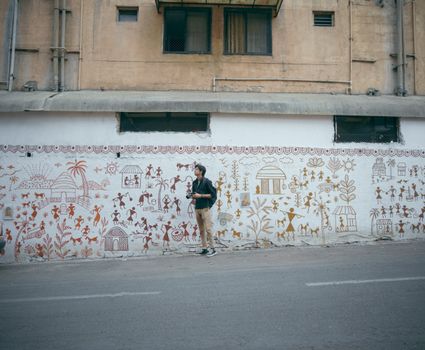
Man stands by vibrant mural on city wall, capturing local street art scene. Photo: Ranjeet Chauhan / Pexels
Embarking on a street art hunt can be an exhilarating experience, but knowing the right tools and strategies can elevate your journey from a casual stroll to a targeted exploration. The ephemeral nature of street art means that what's there today might be gone tomorrow, making up-to-date information invaluable. Fortunately, a wealth of resources exists to guide you in your quest of where to find street art. **Dedicated Websites and Blogs:** Many cities have local street art blogs or websites maintained by enthusiasts who meticulously document new pieces and provide maps or directions. Websites like Street Art Cities (streetartcities.com) offer a global database, allowing you to browse by city and even neighborhood, often with photos and locations pinned on a map. These platforms are constantly updated by a community of contributors, making them incredibly current. A quick search for "[City Name] street art map" or "[City Name] murals guide" will often yield excellent results. **Social Media:** Instagram, in particular, is a goldmine for discovering street art. Artists often post their new works, and local art accounts or hashtags (e.g., #bushwickcollective, #miamistreetart, #phillymurals) are fantastic for real-time updates. Following local photographers or art influencers can also lead you to hidden gems. Geotagged posts can often pinpoint exact locations, making your search much easier. **Mobile Apps:** Several apps are designed specifically for street art discovery. While some are city-specific, others aim for broader coverage. Apps like 'Google Maps' itself can be a powerful tool; searching for 'murals near me' or 'street art [city]' can often reveal public art installations. Some apps offer curated tours or augmented reality features, enhancing the discovery process. Always check app store reviews for functionality and up-to-dateness. **Guided Tours:** For a truly immersive experience, consider joining a guided street art tour. These tours are led by knowledgeable locals, often artists themselves, who can provide context, historical background, and insights into the artists' intentions. They know the current hotspots, the hidden alleys, and the stories behind the art. Many major street art cities offer walking, biking, or even bus tours dedicated solely to public art. This is an excellent way to learn about the scene and discover pieces you might otherwise miss, often with unique perspectives. **Local Art Organizations and Tourism Boards:** City tourism boards and local art organizations often publish guides, maps, or brochures highlighting public art. These resources are typically well-researched and provide a good overview of the city's prominent works. Checking their websites before your visit can save you time and help you plan your route efficiently. **Simply Wander and Explore:** While tools are helpful, sometimes the best strategy is simply to put on comfortable shoes and wander. Many incredible pieces of street art are discovered by chance, tucked away in an unexpected corner or revealed around a bend. Keep your eyes peeled, look up, look down, and explore side streets. The element of surprise is a huge part of the joy of street art hunting. Engage with locals; they often know about the freshest pieces or hidden spots not yet documented online. Remember to respect private property and the art itself – look, but don't touch or deface.

Ethical Exploration and Best Practices for Street Art Enthusiasts
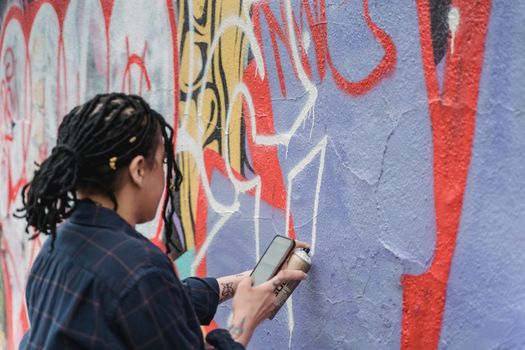
A person painting vibrant graffiti on a wall using spray paint outdoors. Photo: Felicity Tai / Pexels
As you delve into the vibrant world of street art, it's crucial to approach your exploration with respect and an understanding of best practices. Unlike traditional gallery art, street art exists in public spaces, often on private property, and its creation can sometimes blur lines of legality. Being a responsible street art enthusiast ensures the longevity of the art and the positive relationship between artists, communities, and admirers. **Respect Private Property:** A significant portion of street art is created on walls or buildings that are private property. While many property owners commission or permit murals, some works are created without explicit permission. When viewing street art, always be mindful of your surroundings. Do not trespass into private yards, climb fences, or enter abandoned buildings to get a closer look. Stay on public sidewalks and designated viewing areas. This not only keeps you safe but also respects the property owners. **Do Not Touch or Deface:** Street art, whether a delicate paste-up or a large-scale mural, is meant to be seen, not touched or altered. Touching can degrade the paint or materials, and adding your own 'tag' or message is considered disrespectful vandalism, not contribution. The integrity of the original artwork should always be preserved. If you see others defacing art, consider reporting it to local authorities or the property owner if appropriate. **Support the Artists:** Many street artists are independent creators who pour their passion and resources into their work. If you appreciate a piece, look for ways to support the artist. Many artists have social media handles or websites painted near their work. Follow them online, share their work with credit, or consider purchasing prints or merchandise if available. Some artists also accept commissions. Your support helps them continue creating and enriching public spaces. **Be Mindful of Your Presence:** When exploring residential neighborhoods, be quiet and considerate. Avoid blocking driveways or entrances, and keep noise levels down. Remember that these are people's homes and communities, not just an art gallery. If you're taking photos, be aware of people around you and avoid capturing individuals without their consent. **Leave No Trace:** Carry out everything you carry in. Don't litter in street art areas. Keep the spaces clean and beautiful for everyone else to enjoy. This simple act contributes to the positive perception of street art and its enthusiasts. **Stay Safe:** Street art can sometimes be found in less-trafficked or industrial areas. Always prioritize your safety. Visit during daylight hours, go with a friend if possible, and be aware of your surroundings. Trust your instincts; if an area feels unsafe, it's best to move on. By adhering to these ethical guidelines, you contribute to a thriving and respectful street art culture, ensuring that the beauty and messages of these urban masterpieces can be enjoyed by many for years to come. Your journey to where to find street art becomes not just an artistic pursuit, but an act of responsible cultural engagement.

Comparison

FeatureGuided Street Art TourSelf-Guided App/MapOrganic Exploration
Depth of KnowledgeHigh (artist insights, history)Medium (some info, less context)Low (personal interpretation)
Discovery of Hidden GemsVery High (local expertise)Medium (if well-updated)High (serendipitous finds)
Convenience/EaseHigh (pre-planned route)Medium (requires planning)Low (can be hit or miss)
CostPaid (tour fee)Free to Low (app cost)Free
FlexibilityLow (fixed schedule)High (go at your pace)Very High (complete freedom)

What Readers Say

"This guide completely transformed how I approach finding street art. I used to just stumble upon pieces, but now I have a strategy. The section on Miami's Wynwood Walls was spot-on, and I found so many incredible murals I would have missed otherwise!"

Sarah J. · Austin, TX

"As a local, I thought I knew all the street art spots in NYC. But this article pointed me to some amazing new pieces in the Lower East Side that I hadn't seen before. The tips on using social media for discovery are invaluable."

Mark D. · Brooklyn, NY

"I followed the advice for Philadelphia's Mural Arts Program, and it was an unforgettable experience. The walking tour was fantastic, and I learned so much about the community impact of the art. Highly recommend for anyone asking where to find street art!"

Jessica L. · Seattle, WA

"The guide is very comprehensive, though I wish there were a few more specific neighborhood recommendations for Chicago beyond Pilsen. Still, the general strategies for using apps and local resources were extremely helpful for my recent trip."

David P. · Chicago, IL

"I'm not a huge art buff, but I love urban exploration. This article made finding street art accessible and fun. The ethical exploration tips were particularly useful, reminding me to be respectful of the art and the neighborhoods."

Emily R. · Denver, CO

Frequently Asked Questions

What's the best way to find current street art in a new city?

The best way to find current street art in a new city is to combine several strategies. Start by checking local street art blogs, Instagram hashtags (e.g., #[CityName]StreetArt), and dedicated street art websites like Street Art Cities. Joining a local guided tour is also highly recommended for up-to-date information and insider knowledge.

Is street art legal, and do I need permission to photograph it?

The legality of street art varies. Some murals are commissioned and fully legal, while others are created without permission. Regardless of its legality, street art in public spaces is generally considered fair game for photography for personal use. However, always be mindful of private property and do not trespass to get a shot.

How can I support street artists directly?

You can support street artists by following them on social media, sharing their work with proper credit, and purchasing prints or merchandise if they offer it. Many artists include their social handles or websites near their pieces. Attending art fairs where they exhibit or commissioning a piece are also great ways to support their craft.

Is it safe to explore street art in all neighborhoods?

While many street art hubs are in vibrant, safe areas, some pieces may be located in less-trafficked or industrial zones. Always prioritize your safety: visit during daylight hours, go with a friend if possible, and stay aware of your surroundings. Trust your instincts and avoid areas that feel unsafe.

How does street art differ from graffiti?

While often used interchangeably, 'graffiti' typically refers to text-based, often illicit, markings or tags, focusing on lettering and style. 'Street art' is a broader term encompassing murals, stencils, paste-ups, sculptures, and installations, often with more pictorial or conceptual elements, and can be either illicit or commissioned. Many street artists started with graffiti.

Who should use this guide to find street art?

This guide is for anyone with an interest in urban culture, art, and exploration – from seasoned art collectors and photographers to casual tourists and local residents looking to discover hidden gems in their own cities. It's particularly useful for travelers planning a US trip focused on unique artistic experiences.

What if a piece of street art I'm looking for is gone?

Street art is often ephemeral. Pieces can be painted over, removed, or degrade over time. If a piece you're looking for is gone, consider it part of the dynamic nature of the art form. Use it as an opportunity to discover new works in the area, as artists are constantly creating and refreshing the urban canvas.

What are the emerging trends in US street art?

Emerging trends in US street art include increased use of augmented reality (AR) to bring murals to life, a growing focus on environmental and social justice themes, and a rise in collaborative projects between artists and communities. There's also a trend towards more intricate, hyper-realistic murals and the integration of diverse artistic styles and techniques.

Ready to transform your urban exploration into an artistic adventure? Use this guide to uncover the vibrant, ever-changing world of street art across the US. Start planning your next art hunt today and discover where to find street art that will inspire and amaze you.

Topics: where to find street arturban art destinationsgraffiti tours USmural huntingpublic art locations
Leo List
Brampton weed
Adultwork EstrelaBet Vai de Bet R7 Bet Betão Galera Bet Rainbet Bet9ja Shop SportyBet BetKing Sisal Loto Foot Hollywoodbets YesPlay Odibets RushBet Jugabet BetWarrior BetCity MSport betPawa Fortebet