✓ Street art emerged from graffiti culture in the 1970s and 80s, primarily in New York City.
✓ It encompasses diverse forms like stenciling, murals, wheatpasting, and installations.
✓ Initially considered vandalism, street art has gained significant mainstream recognition and commercial value.
✓ Street artists often use public spaces to express social, political, and personal messages.
How It Works
1
Initial Act of Expression
Artists, often anonymously, create works in public spaces without formal permission. This act challenges traditional art institutions and claims urban environments as canvases.
2
Public Engagement & Dialogue
The art interacts directly with passersby, sparking conversations, conveying messages, and sometimes transforming mundane spaces. Its accessibility fosters widespread, often unfiltered, public discourse.
3
Evolution & Recognition
Over time, certain works and artists gain renown, shifting perception from mere defacement to cultural contribution. This recognition can lead to commissioned works, gallery exhibitions, and academic study.
4
Ongoing Transformation
The movement continually adapts to new techniques, technologies, and social contexts. It remains a dynamic, evolving force, reflecting contemporary issues and pushing artistic boundaries.
The Genesis of Urban Expression: Understanding What is Street Art Movement
Photo: Ivan Ermakov / Pexels
To truly grasp what is street art movement, one must journey back to its rebellious origins, far from the pristine white walls of galleries and museums. Born from the vibrant, often tumultuous, urban landscapes of the 1970s and 1980s, particularly in cities like New York, Philadelphia, and Los Angeles, street art was initially synonymous with graffiti. Young individuals, predominantly from marginalized communities, began using spray paint and markers to tag their names, crews, and messages on subway cars, walls, and bridges. This act was more than just vandalism; it was a potent declaration of existence, a reclamation of public space, and a raw form of self-expression in environments where their voices were often unheard. These early pioneers, like TAKI 183 and CORNBREAD, laid the groundwork, transforming public surfaces into their personal canvases and inadvertently igniting a global artistic phenomenon.
The early graffiti scene was characterized by its clandestine nature, competitive spirit, and rapid evolution of styles. Artists developed intricate lettering, vibrant color schemes, and complex compositions, pushing the boundaries of what could be achieved with a spray can. The subway system became a moving gallery, carrying these illicit masterpieces across the city, exposing them to millions. This accessibility, a stark contrast to the exclusivity of traditional art institutions, was a defining characteristic that continues to influence street art today. It democratized art, bringing it directly to the people, whether they sought it or not. The distinction between graffiti and street art, while often blurred, began to emerge as artists started incorporating more illustrative elements, characters, and overt political or social commentary, moving beyond mere tagging to more complex visual narratives. This shift marked a critical turning point, paving the way for the diverse forms we see today, from stencils and wheatpastes to elaborate murals and installations. Understanding this foundational period is essential to appreciating the depth and significance of what street art movement represents, not just as an art form, but as a cultural and social force. The raw energy and defiant spirit of these early years continue to resonate, informing the ethos of contemporary street artists who still seek to engage, provoke, and beautify the urban environment. It's a movement rooted in accessibility, challenging perceptions of art ownership and the very definition of a public space. Learn more about the broader context of art movements and their impact on society.
Diverse Forms and Techniques: The Expanding Canvas of Urban Art
Photo: Felicity Tai / Pexels
The evolution of street art has been marked by an incredible diversification of forms and techniques, moving far beyond the spray-painted tags of its infancy. Today, what is street art movement encompasses a vast array of artistic expressions, each with its own aesthetic and method. Stenciling, popularized by artists like Banksy, offers a quick and repeatable way to disseminate images and messages, often with sharp political or satirical undertones. This technique allows for intricate detail and rapid deployment, minimizing the risk of apprehension while maximizing visual impact. Wheatpasting, another common technique, involves adhering printed posters or artworks onto walls using a simple paste made from flour and water. This method is versatile, allowing artists to create detailed pieces in a studio environment and then install them quickly in public, often featuring striking graphics, photography, or text-based messages. Artists like Shepard Fairey have masterfully used wheatpasting to create iconic imagery that transcends the art world and enters popular culture.
Muralism, while having historical roots in public art, has been revitalized and integrated into the street art lexicon. Contemporary murals often involve large-scale, intricate paintings that transform entire building facades into breathtaking works of art. These are frequently commissioned pieces, bridging the gap between illicit street art and sanctioned public art, and can serve as powerful statements of community identity, historical narrative, or abstract beauty. Artists like Eduardo Kobra and FAILE are renowned for their monumental murals that captivate audiences globally. Beyond these more common forms, street art also includes sticker art (slap tagging), mosaic tiling, yarn bombing, light projections, and even temporary installations that interact with the urban environment in ephemeral ways. Each technique offers artists unique opportunities to engage with public space, convey their vision, and challenge conventional notions of art. The choice of medium often reflects the artist's message, their desired level of permanence, and their relationship with the law. This rich tapestry of techniques is a testament to the creativity and ingenuity within the street art movement, constantly pushing boundaries and redefining what is possible on the urban canvas. The continuous innovation in forms and techniques ensures that street art remains a dynamic and ever-surprising force in the contemporary art world.
From Outlaw to Icon: The Mainstream Acceptance and Commercialization of Street Art
Photo: Matheus Bertelli / Pexels
One of the most compelling narratives within what is street art movement is its dramatic journey from being an outlaw activity, often punishable by law, to a celebrated and highly sought-after art form. For decades, street artists operated in the shadows, their work often viewed as vandalism, a blight on urban landscapes. The risk of arrest, fines, and imprisonment was a constant companion to their creative endeavors. Yet, despite these challenges, the movement persisted, fueled by an unwavering desire for expression and connection. The raw energy and unfiltered authenticity of street art eventually began to capture the attention of a broader audience, including art critics, collectors, and gallerists who recognized its inherent artistic merit and cultural significance. This shift in perception was not instantaneous but a gradual process, driven by the undeniable talent and provocative nature of the works themselves.
Artists like Jean-Michel Basquiat and Keith Haring, who emerged from the New York street art scene, were instrumental in bridging the gap between the street and the gallery. Their success demonstrated that art created outside traditional institutions could indeed be legitimate, profound, and commercially viable. Today, street art is a global phenomenon, with artists like Banksy achieving superstar status, their works fetching millions at auction. Major cities around the world now host street art festivals, commission large-scale murals, and even offer guided street art tours, highlighting the cultural and economic value of this once-maligned art form. Galleries exclusively dedicated to street art have opened, and established museums regularly feature exhibitions showcasing the movement's history and contemporary practitioners. This mainstream acceptance, while validating for many artists, also sparks ongoing debates about authenticity, commercialization, and the potential loss of the rebellious spirit that defined street art's origins. Some argue that once street art is sanctioned and sold, it loses its edge and its connection to the streets. Others see it as a natural evolution, allowing artists to make a living from their passion and reach an even wider audience. Regardless of perspective, the transformation of street art from illicit act to cultural icon is an undeniable testament to its enduring power and appeal. This evolution underscores the dynamic nature of art itself, constantly challenging definitions and boundaries. Explore how other art forms have navigated commercialization throughout history.
The Enduring Impact: Street Art as a Catalyst for Change and Community
Photo: Solenn Thircuir / Pexels
The impact of what is street art movement extends far beyond aesthetics, positioning it as a powerful catalyst for social change, political commentary, and community engagement. Unlike art confined to galleries, street art confronts viewers in their daily lives, forcing them to engage with ideas, messages, and beauty they might otherwise overlook. Many street artists use their platforms to address pressing social issues, from human rights and environmental concerns to economic inequality and systemic injustice. Their works can act as visual protests, sparking dialogue, raising awareness, and even inspiring activism within communities. The immediacy and public nature of street art make it an incredibly effective tool for communicating complex ideas to a broad and diverse audience.
Furthermore, street art often plays a crucial role in urban revitalization and community building. In many neighborhoods, particularly those that have experienced neglect or disinvestment, murals and other forms of street art can transform dilapidated walls into vibrant landmarks. These artworks not only beautify the environment but also instill a sense of pride and identity among residents. They can become focal points for community gatherings, attract tourism, and even deter traditional forms of graffiti by creating a more respected and cared-for public space. The collaborative nature of some street art projects, where artists work with local residents to create murals reflecting community stories, further strengthens social bonds and fosters a sense of collective ownership. However, it's also important to acknowledge potential pitfalls, such as gentrification, where street art can sometimes inadvertently contribute to rising property values and displacement of original residents. The ongoing dialogue around these impacts highlights the complex and multifaceted role street art plays in contemporary society. Its ability to democratize art, challenge norms, and foster connection ensures its continued relevance and profound influence on urban culture worldwide.
**Tips for Appreciating Street Art:**
* **Look Up and Around:** Street art isn't always at eye level; sometimes it's on rooftops, under bridges, or in unexpected corners.
* **Research Local Scenes:** Many cities have active street art communities and dedicated tours or maps.
* **Understand the Context:** Consider the location, the message, and the artist's potential intent.
* **Respect the Art and the Space:** Do not deface or remove street art. Appreciate it as it is.
* **Follow Artists on Social Media:** Many artists share their locations and new works online, offering insights into their creative process.
Comparison
Feature
Street Art
Traditional Gallery Art
Public Sculptures
Accessibility
High (public spaces)
Low (gallery/museum admission)
High (public spaces)
Permanence
Variable (often ephemeral)
High (preserved)
High (durable materials)
Message Delivery
Direct, often political/social
Interpretive, intellectual
Symbolic, aesthetic
Artist Anonymity
Common (especially early forms)
Rare (artist credited)
Rare (artist credited)
What Readers Say
★★★★★
"This article truly illuminated what is street art movement, detailing its evolution from rebellious tags to celebrated murals. I especially appreciated the breakdown of different techniques and how it connects to community. It made me look at my neighborhood walls with new eyes!"
Sarah Chen · Brooklyn, NY
★★★★★
"As someone who's always admired street art but never fully understood its origins, this piece was incredibly helpful. It clearly explains the cultural significance and how it transitioned into mainstream acceptance without losing its edge. Fantastic read!"
Mark Ramirez · Los Angeles, CA
★★★★★
"The depth provided on what is street art movement is outstanding. I now understand the difference between graffiti and street art much better and have a newfound appreciation for the social and political messages embedded within these urban canvases. My next city walk will be an art tour!"
Jessica Lee · Chicago, IL
★★★★★
"A very thorough overview. While I understand the commercialization aspect is complex, the article handled it well, acknowledging both the benefits and the ongoing debates. It’s a great starting point for anyone curious about the subject."
David Miller · Miami, FL
★★★★★
"This article beautifully articulates what is street art movement. It's not just about aesthetics; it's about reclaiming space and giving a voice to the voiceless. The section on community impact really resonated with me, highlighting its power beyond just visual appeal."
Emily White · Portland, OR
Frequently Asked Questions
What is the core difference between graffiti and street art?
While often overlapping, graffiti traditionally focuses on stylized lettering, tags, and names, often with a competitive or territorial aspect. Street art, while emerging from graffiti, generally encompasses a broader range of techniques like stencils, murals, and installations, often with more overt social, political, or conceptual messages aimed at a wider audience.
Is street art legal?
The legality of street art is complex and varies greatly. Many works are created without permission and are considered illegal vandalism. However, a growing number of cities and property owners commission street artists, making those works legal public art. The distinction often lies in whether the artist has consent to create the work.
How can I find street art in my city?
Many cities with active street art scenes offer guided tours, or you can find online maps and apps dedicated to street art locations. Social media is also a great resource, as artists and enthusiasts often share locations of new pieces. Simply walking through urban areas with an observant eye will also reveal many hidden gems.
Does street art have commercial value?
Absolutely. While many street artists create for the public, works by renowned artists like Banksy, Shepard Fairey, and KAWS fetch significant sums in galleries and at auctions. This commercialization has led to debates within the movement about authenticity and the original anti-establishment ethos.
How does street art compare to traditional public art?
Traditional public art is typically commissioned, sanctioned, and often permanent, serving civic or commemorative purposes. Street art, in its purest form, is often unsanctioned, ephemeral, and driven by individual or collective expression, challenging authority and engaging directly with the public in a less formal way. However, the lines are increasingly blurring as street art becomes more accepted.
Who should appreciate what is street art movement?
Anyone with an interest in art, culture, urban landscapes, social commentary, or community engagement should appreciate street art. Its accessibility means it's for everyone, regardless of their prior art knowledge or background. It's a truly democratic art form that connects with people from all walks of life.
Is street art safe to view?
Generally, yes, but like any urban exploration, common sense precautions apply. Stick to well-lit areas, be aware of your surroundings, and avoid entering private property without permission. Most street art is visible from public sidewalks and thoroughfares.
What is the future trend for street art?
The future of street art likely involves continued integration with technology, such as augmented reality art, and an even greater focus on social and environmental activism. We'll also see more commissioned works, bridging the gap between underground and mainstream, while the core rebellious spirit will continue to inspire new generations of artists.
The street art movement is a living, breathing testament to human creativity and resilience. It challenges perceptions, beautifies forgotten spaces, and sparks vital conversations. Embrace the urban canvas and discover the profound stories and vibrant expressions that define what is street art movement.

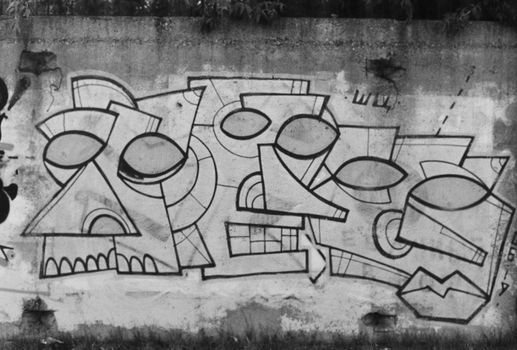 Photo: Ivan Ermakov / Pexels
 Photo: Felicity Tai / Pexels
 Photo: Matheus Bertelli / Pexels
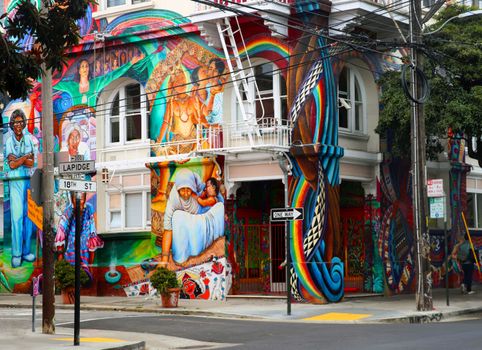 Photo: Solenn Thircuir / Pexels