Unraveling: What Are The Different Types of Art?
July 19, 2026 15 min read 3,034 words
Embark on a captivating journey through the myriad forms of human creativity and expression that define art.
Begin Your Artistic Journey
The Expansive Realm of Visual Arts
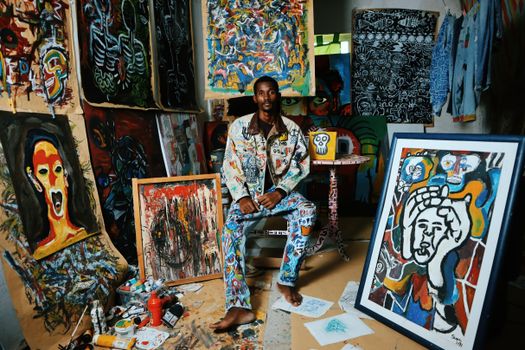 Photo: Sandro Lopes Art / Pexels
When we ask 'what are the different types of art,' visual arts often come to mind first. This category is perhaps the most immediately recognizable, encompassing anything that can be seen and appreciated for its aesthetic and communicative qualities. Visual arts are a foundational pillar of human expression, stretching back to prehistoric cave paintings and evolving into the complex digital landscapes of today. At its core, visual art transforms raw materials into meaningful forms, inviting viewers to interpret, react, and connect with the artist's vision.
Within visual arts, painting stands as one of the oldest and most versatile forms. From the intricate details of Renaissance masterpieces to the bold strokes of abstract expressionism, painting uses color, line, and composition to convey emotion, narrative, and abstract ideas. Techniques vary wildly, from oil on canvas and watercolor to acrylics and fresco, each offering a unique textural and visual experience. Consider the dramatic chiaroscuro of Caravaggio, the serene landscapes of Monet, or the psychological depth of Frida Kahlo's self-portraits; each artist, through their chosen medium and style, evokes distinct feelings and prompts contemplation. The beauty of painting lies in its ability to capture a moment, tell a story, or explore the depths of the human psyche without uttering a single word.
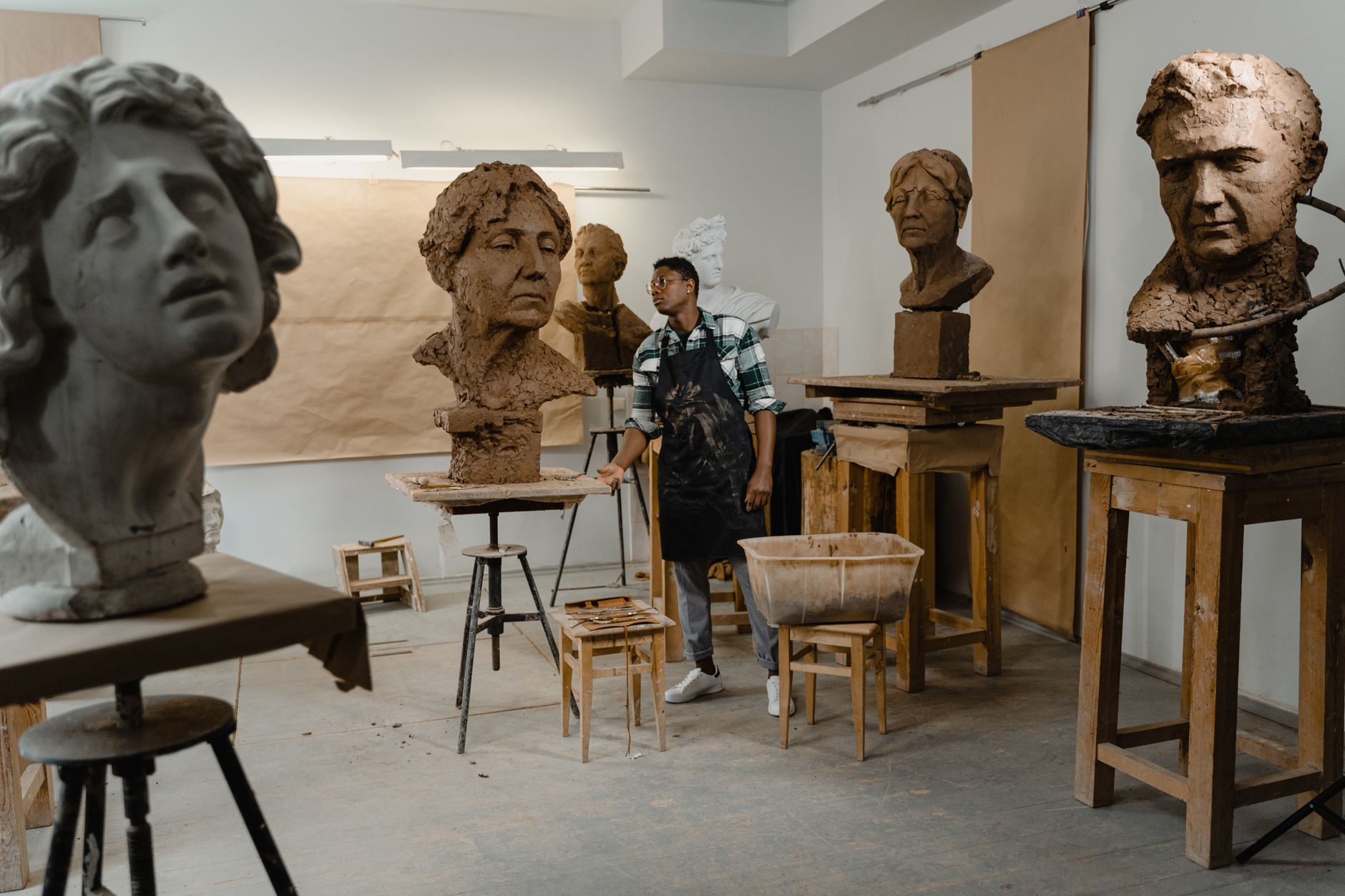
Sculpture, another ancient visual art form, involves creating three-dimensional objects. Unlike painting, sculpture occupies physical space, allowing viewers to walk around and experience it from multiple angles. Materials range from stone, wood, and metal to clay, glass, and even light. Think of the monumental scale of Michelangelo's 'David,' the fluid bronze forms of Rodin, or the kinetic installations of Alexander Calder. Modern sculpture has pushed boundaries, incorporating found objects, performance elements, and even environmental considerations, transforming landscapes and challenging our perceptions of space and form. The tactile nature of sculpture, its weight, texture, and presence, provides a different kind of engagement than two-dimensional art.
Architecture, often called the 'mother of all arts,' combines aesthetics with functionality. It is the art and science of designing and constructing buildings and other physical structures. Architects shape our environments, creating spaces that inspire, shelter, and serve. From the grandeur of the Roman Colosseum and the intricate carvings of Gothic cathedrals to the sleek lines of contemporary skyscrapers and sustainable eco-homes, architecture reflects cultural values, technological advancements, and societal aspirations. It’s an art form you inhabit, experience, and interact with daily, profoundly influencing your mood and perception of the world.
Photography and digital art represent newer additions to the visual arts spectrum, born from technological innovation. Photography captures light and moment, freezing time and offering perspectives that can be documentary, artistic, or both. Digital art, leveraging computers and software, opens up infinite possibilities for image manipulation, animation, and interactive installations. These forms democratize art creation, making it accessible to a broader audience and pushing the boundaries of what is considered 'art.' For a deeper dive into these dynamic fields, explore
modern art movements. These visual mediums continue to evolve, reflecting our changing world and expanding the very definition of artistic expression.
The Dynamic World of Performing Arts
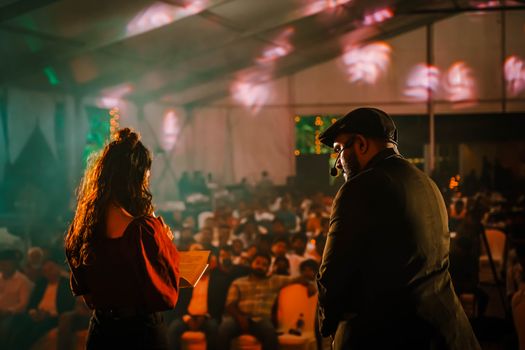 Photo: Nipin Niravath / Pexels
Beyond what is seen, the question 'what are the different types of art' also leads us to the realm of the ephemeral and experiential: performing arts. These art forms are characterized by live performances where artists use their bodies, voices, and emotions to convey artistic expression to an audience. Unlike visual arts, which are often static and enduring, performing arts are dynamic, momentary, and unique to each presentation. They create a shared experience between performer and spectator, fostering a direct emotional and intellectual connection that is both immediate and profound.
Music is arguably the most universal of the performing arts, transcending language and cultural barriers. It is the art of arranging sounds in time through melody, harmony, rhythm, and timbre. From the complex symphonies of classical composers like Beethoven and Mozart to the improvisational brilliance of jazz, the storytelling of folk music, the energy of rock, and the intricate beats of electronic dance music, music evokes a vast spectrum of emotions. It can be a powerful tool for social commentary, a source of spiritual solace, or simply a means of pure enjoyment. The human voice, instruments, and even everyday objects can become conduits for musical expression, making it an incredibly diverse and accessible art form. The live experience of music, whether in a concert hall, a small club, or an open-air festival, offers an unparalleled sensory immersion.
Dance is another captivating performing art, using the body as its primary instrument of expression. It is a rhythmic and expressive movement, often accompanied by music, that can tell stories, convey emotions, or simply celebrate physical prowess and aesthetic form. From the disciplined elegance of classical ballet and the vibrant storytelling of traditional folk dances to the raw energy of hip-hop and the innovative freedom of modern dance, each style offers a unique vocabulary of movement. Choreographers craft sequences that challenge physical limits and communicate profound ideas without words, relying solely on the power of the moving body. The synergy between dancer, music, and space creates a mesmerizing spectacle, where grace, strength, and vulnerability are laid bare.
Theater, or drama, is the art of storytelling through live performance. Actors embody characters, presenting narratives through dialogue, action, and stagecraft. It's a collaborative art form involving playwrights, directors, set designers, costume designers, and lighting technicians, all working together to create a cohesive world on stage. From the tragedies of ancient Greek theater and the comedies of Shakespeare to the experimental productions of contemporary playwrights, theater holds a mirror up to society, exploring human nature, social issues, and universal truths. The immediacy of live theater, with its unrepeatable moments and direct interaction between performers and audience, creates a powerful and often transformative experience. The emotional resonance of a live performance can linger long after the curtain falls.
Film, while often consumed individually, is fundamentally a performing art that captures and projects performances. It is a complex medium that combines elements of theater, music, visual art, and literature, using moving images and sound to tell stories. From epic blockbusters and intimate independent dramas to thought-provoking documentaries and experimental shorts, film has become a dominant cultural force, shaping narratives and influencing global perspectives. The collaborative effort involved in filmmaking, from screenwriters and directors to actors, cinematographers, and editors, underscores its multifaceted nature. While not 'live' in the traditional sense, the performances captured on screen are the heart of this powerful art form, allowing stories and expressions to reach billions worldwide.
The Enduring Power of Literary Arts
 Photo: Thought Catalog / Pexels
When considering 'what are the different types of art,' it is crucial not to overlook the profound impact of literary arts. This category encompasses written works that are valued for their artistic merit, aesthetic beauty, and intellectual depth. Unlike visual or performing arts, literary art primarily engages the imagination through words, allowing readers to construct worlds, characters, and emotions within their minds. It is a deeply personal and often solitary experience, yet its power to connect individuals across time and space is immense. Literary works can transcend generations, offering insights into human experience, historical contexts, and philosophical questions.
Poetry, perhaps the most concentrated form of literary art, uses language for its aesthetic and evocative qualities in addition to its meaning. It employs rhythm, rhyme, imagery, and metaphor to create powerful emotional responses and convey complex ideas in a concise form. From the epic narratives of Homer and the passionate sonnets of Shakespeare to the free verse of Walt Whitman and the poignant observations of Mary Oliver, poetry challenges readers to engage with language on a deeper level, uncovering layers of meaning and beauty. Its ability to distill profound thoughts into a few carefully chosen words makes it an art form of immense power and precision. Reading poetry often feels like a conversation with the soul of the writer, offering solace, inspiration, or a new perspective on life's mysteries.
Prose, encompassing novels, short stories, essays, and non-fiction, is the literary form that most closely mirrors natural speech. Novels, with their extended narratives and character development, allow authors to create intricate worlds and explore the complexities of the human condition over hundreds of pages. Think of the sweeping sagas of Tolstoy, the psychological depth of Dostoevsky, the social commentary of Jane Austen, or the magical realism of Gabriel García Márquez. Short stories offer condensed narratives, often focusing on a single event or character, while essays provide a platform for intellectual exploration and argumentation. Non-fiction, when elevated to an art form, transcends mere information to offer profound insights into history, philosophy, and personal experience, transforming facts into compelling narratives.
Drama, in its written form, is the script for theatrical performance, but it also stands as a literary art in its own right. Playwrights craft dialogue and stage directions to tell stories, explore conflicts, and develop characters. Reading a play allows one to imagine the performance, to hear the characters' voices, and to visualize the action on stage, engaging a different part of the imagination than reading a novel. The works of Sophocles, Shakespeare, Ibsen, and Arthur Miller continue to be studied and performed because of their enduring literary merit and their ability to speak to universal human experiences. For further exploration of narrative styles, consider delving into
the history of storytelling.
Other literary forms, such as memoirs, biographies, and even well-crafted journalism, can also achieve artistic status when they demonstrate exceptional skill in language, structure, and insight. The literary arts, through their manipulation of words, allow us to enter different minds, experience different lives, and ponder the biggest questions of existence. They are a timeless testament to humanity's capacity for narrative and reflection, shaping our understanding of ourselves and the world around us.
Navigating the Nuances: Tips for Appreciating Diverse Art Forms
Understanding 'what are the different types of art' is just the beginning; truly appreciating them requires an open mind and a willingness to engage. Here are some tips to enhance your artistic journey and avoid common pitfalls:
* **Embrace Subjectivity:** Art is inherently subjective. What one person finds profound, another might not connect with. There's no single 'right' way to feel or think about a piece of art. Allow yourself to have your own reaction, even if it differs from popular opinion or critical consensus. The most important thing is that the art evokes something within you.
* **Research the Context:** Knowing a bit about the artist, the historical period, and the cultural context in which a piece was created can significantly deepen your understanding and appreciation. For instance, knowing the social upheavals of early 20th-century Europe sheds light on the radical shifts in visual art during that time. This doesn't mean you need to be an expert, but a little background can go a long way.
* **Attend Live Performances:** For performing arts like music, dance, and theater, live attendance is paramount. Recordings can capture a performance, but they cannot replicate the energy, the immediacy, or the shared experience of being in the same space as the artists. The raw emotion, the subtle improvisations, and the collective atmosphere are unique to live events.
* **Read Actively and Critically:** When engaging with literary arts, don't just passively consume. Ask questions: What is the author trying to say? How do they use language? What themes are present? Consider different interpretations and how the work makes you feel. Re-reading can often reveal new layers of meaning.
* **Visit Museums and Galleries:** For visual arts, seeing works in person is crucial. Photographs in books or online can't convey the true scale, texture, color vibrancy, or presence of a painting or sculpture. Stand close, then step back; observe the brushstrokes, the material, the way light interacts with the piece.
* **Don't Be Afraid to Dislike:** It's okay not to like every type of art or every specific piece. Disliking something can be as informative as liking it, helping you to understand your own aesthetic preferences and what resonates with you personally. Art is about exploration, not universal adoration.
* **Try Creating Yourself:** Even if you don't consider yourself an artist, attempting to create art – whether painting, writing a poem, or trying a dance move – can provide invaluable insight into the challenges and joys of artistic expression. It fosters empathy for the creative process and deepens your appreciation for skilled artists.
By approaching art with curiosity and an open mind, you unlock a richer, more rewarding experience, allowing these diverse forms of human creativity to enrich your life profoundly. Avoid the mistake of dismissing an entire category of art because of one bad experience or preconceived notion; the world of art is vast and full of unexpected delights.