✓ Surrealism emerged in Paris in the 1920s, rooted in Dadaism.
✓ André Breton's 1924 'Manifesto of Surrealism' defined its core principles.
✓ It sought to unleash the power of the subconscious mind and dreams.
✓ Key techniques included automatism, frottage, and exquisite corpse.
How It Works
1
Understand the Origins
Surrealism wasn't born in a vacuum; it evolved from Dada's anti-establishment sentiments. Grasping this foundation is crucial to appreciating its revolutionary nature.
2
Explore Key Concepts
Delve into ideas like the subconscious, dreams, automatism, and the juxtaposition of disparate elements. These are the building blocks of surrealist expression.
3
Analyze Masterpieces
Examine iconic works by artists like Dalí, Magritte, and Miró. Observe how they applied surrealist principles to create their unique, often unsettling, visions.
4
Recognize Lasting Impact
Understand how surrealism transcended art to influence literature, film, fashion, and even psychology. Its legacy continues to shape contemporary creative thought.
Defining the Essence of Surrealism in Art
Photo: Steve A Johnson / Pexels
The meaning of surrealism in art goes far beyond merely depicting strange or dreamlike imagery; it represents a profound philosophical and artistic movement born from the ashes of World War I and the intellectual ferment of early 20th-century Europe. Emerging officially in Paris in 1924 with André Breton's 'Manifesto of Surrealism,' this movement sought to liberate the human imagination from the constraints of logic, reason, and societal conventions. Its primary aim was to tap into the unconscious mind, the realm of dreams, desires, and irrational impulses, believing that this uncharted territory held the key to a deeper, more authentic reality – what Breton termed 'surreality.'
At its core, surrealism was an exploration of the psyche, heavily influenced by the psychoanalytic theories of Sigmund Freud. Artists and writers associated with the movement were fascinated by dreams, automatic writing, hypnosis, and chance encounters, seeing these as pathways to bypass the rational ego and access the raw, untamed forces of the id. They believed that by juxtaposing unrelated objects or ideas, by embracing paradox and the absurd, they could reveal hidden truths about human nature and the universe. This was not just about making art, but about transforming life itself, challenging bourgeois values, and promoting individual freedom.
The movement was characterized by a diverse range of artistic styles, yet a common thread united them: the desire to shock, provoke, and awaken viewers to new ways of seeing and thinking. While artists like Salvador Dalí created meticulously rendered, hyper-realistic dreamscapes, others such as Joan Miró explored biomorphic abstraction, and René Magritte questioned the nature of reality and representation through his witty and enigmatic paintings. What these varied approaches shared was a commitment to dissolving the boundaries between dream and reality, sanity and madness, the conscious and the unconscious. They aimed to create a 'supreme reality' where these dichotomies ceased to exist, opening up vast possibilities for human experience and expression. Understanding the philosophical underpinnings is crucial for anyone seeking to grasp the true depth of this artistic phenomenon.
Surrealism was also deeply political, born from the disillusionment following the devastation of WWI and the perceived failures of rationalism. Many surrealists were involved in communist and anarchist movements, viewing their artistic rebellion as a direct challenge to the capitalist and patriarchal structures they believed suppressed genuine human experience. They saw art not as a decorative pursuit but as a revolutionary act, capable of disrupting the status quo and inspiring radical social change. This intertwining of art and ideology made surrealism a powerful force that extended its influence far beyond the canvas, impacting literature, film, theatre, and even political discourse. Its relentless pursuit of the marvelous and the uncanny continues to fascinate and challenge audiences today, inviting them to look beyond the surface of everyday life and embrace the boundless possibilities of the imagination. It's a movement that demands introspection and a willingness to confront the irrational.
Key Characteristics and Techniques of Surrealist Art
Photo: Lean Leta / Pexels
To fully appreciate the meaning of surrealism in art, one must understand the distinct characteristics and innovative techniques employed by its practitioners. Surrealists were pioneers in developing methods to bypass conscious control and access the subconscious, leading to a rich tapestry of visual styles and conceptual approaches. One of the most fundamental characteristics is the juxtaposition of unexpected elements. Artists would place objects or figures together that had no logical connection, creating startling, often unsettling, and thought-provoking images. Think of a melting clock in a desert landscape or a train emerging from a fireplace – these absurd combinations were designed to disorient the viewer and unlock new associations within the mind.
Dream imagery is another cornerstone of surrealism. Influenced by Freud's work on dream interpretation, surrealist artists meticulously rendered scenes that resembled vivid, often bizarre, nocturnal visions. These dreamscapes were not random but were believed to contain symbolic meanings and reveal hidden truths about the artist's (and humanity's) inner world. The aim was to make the irrational tangible and to give visual form to the fleeting, illogical narratives of dreams. This often resulted in highly detailed, almost photographic, depictions of impossible scenarios, blurring the lines between reality and fantasy.
Automatism was a crucial technique, particularly in the early stages of the movement, derived from automatic writing in literature. It involved creating art without conscious thought or control, allowing the hand to move freely and spontaneously. This could manifest as automatic drawing, where lines and shapes emerged without a pre-conceived plan, or techniques like frottage (rubbing a crayon over a textured surface) and grattage (scraping paint off a canvas) to create chance textures and patterns. The goal was to eliminate the rational mind's interference and allow the subconscious to express itself directly onto the canvas or paper. This method aimed to capture the raw, unfiltered essence of the psyche.
Symbolism, often highly personal and enigmatic, also played a significant role. Objects and figures in surrealist art frequently carried multiple layers of meaning, inviting viewers to interpret and engage with the work on a deeper, often psychological, level. The famous pipe in Magritte's 'The Treachery of Images' (Ceci n'est pas une pipe) is a prime example, challenging the viewer's assumptions about representation and reality. The use of illusionism and trompe l'oeil effects further enhanced the disorienting quality of many surrealist works, making the impossible seem real. These characteristics and techniques collectively formed a powerful arsenal for surrealists to challenge perception, provoke thought, and explore the uncharted territories of the human mind, leaving an indelible mark on art history and beyond.
Iconic Figures and Enduring Legacy of the Surrealist Movement
Photo: Eyüpcan Timur / Pexels
The meaning of surrealism in art is inextricably linked to the groundbreaking contributions of its iconic figures, whose diverse approaches solidified the movement's impact and expanded its reach. Salvador Dalí is perhaps the most famous surrealist, known for his flamboyant personality and meticulously rendered dreamscapes, such as 'The Persistence of Memory' with its melting clocks. His 'paranoiac-critical method' involved inducing a hallucinatory state to interpret subconscious visions, resulting in powerful, often disturbing, and unforgettable images. René Magritte, another giant of the movement, challenged perceptions of reality and representation with his witty and philosophical paintings. Works like 'The Treachery of Images' (Ceci n'est pas une pipe) and 'The Son of Man' forced viewers to question the relationship between words, images, and the objects they represent, making the familiar strange.
Joan Miró, while often associated with abstraction, was a key surrealist who explored biomorphic forms and vibrant colors, creating playful yet profound works that evoked a child-like innocence combined with subconscious symbolism. His 'constellations' series exemplifies his unique approach to automatism and the liberation of form. Max Ernst, a German artist, pioneered techniques like frottage and grattage, using them to create eerie, textured landscapes and fantastical creatures that emerged from chance and unconscious suggestion. His collages, too, were instrumental in juxtaposing disparate elements to create new, unsettling realities. These artists, alongside others like Yves Tanguy, Man Ray (known for his photography), and Leonora Carrington, each brought a unique voice to the surrealist chorus, demonstrating the movement's incredible versatility and intellectual depth.
The legacy of surrealism extends far beyond the canvas, permeating various aspects of culture and thought. Its influence can be seen in literature, from the stream-of-consciousness narratives of authors like William S. Burroughs to the magical realism of Gabriel García Márquez. In cinema, filmmakers like Luis Buñuel and Jean Cocteau directly incorporated surrealist principles, creating dreamlike narratives and shocking juxtapositions in films such as 'Un Chien Andalou.' Fashion, advertising, and graphic design have also repeatedly drawn inspiration from surrealism's ability to create compelling, attention-grabbing, and memorable imagery. Even psychology continues to engage with surrealist ideas about the unconscious mind and symbolic expression.
Moreover, surrealism opened the door for subsequent art movements, particularly Abstract Expressionism, by emphasizing the artist's inner world and spontaneous creation. It championed individual expression and challenged the traditional boundaries of art, paving the way for conceptual art and performance art. The movement's insistence on questioning reality, embracing the irrational, and exploring the subconscious continues to resonate in contemporary society, offering a powerful antidote to overly rational or materialistic perspectives. Understanding its profound and multifaceted legacy is essential for anyone delving into the history of modern art and its ongoing evolution. Surrealism remains a vibrant source of inspiration, reminding us of the boundless potential of the human imagination.
Navigating the Nuances: Common Misconceptions and Tips for Appreciation
Photo: Tima Miroshnichenko / Pexels
Despite its enduring popularity, the meaning of surrealism in art is often subject to several common misconceptions. One prevalent misunderstanding is that surrealism is simply about painting odd or weird things. While surrealist art often appears strange, its core intent is not merely to be bizarre for the sake of it. Instead, the strangeness serves a deeper purpose: to disrupt conventional perception, challenge logical thought, and reveal hidden psychological truths. It's a deliberate strategy to access and express the subconscious, not just a random act of weirdness. Appreciating surrealism requires looking beyond the immediate visual shock to ponder the underlying psychological, philosophical, and social commentary.
Another misconception is that all surrealist art looks alike, often equated solely with the hyper-realistic dreamscapes of Dalí. In reality, the movement was incredibly diverse in its visual styles. As mentioned, Miró's biomorphic abstraction, Ernst's collages and frottage, and Magritte's conceptual realism all fall under the surrealist umbrella, demonstrating a wide spectrum of aesthetic approaches. To truly understand surrealism, one must recognize this stylistic variety and appreciate that the shared philosophy, rather than a uniform visual style, defined the movement.
A third common error is to view surrealism as purely escapist. While it certainly delves into fantasy and dreams, many surrealists were deeply engaged with political and social issues. They saw their art as a revolutionary tool to critique society, challenge authority, and advocate for individual freedom and social transformation. It was a movement rooted in the desire for a more authentic and liberated existence, not an escape from reality but an attempt to redefine and enrich it.
Tips for a deeper appreciation of surrealism:
* **Embrace the Unconscious:** Approach surrealist art with an open mind, willing to let go of purely rational interpretations. Allow your own subconscious to engage with the imagery.
* **Research the Artist's Context:** Understanding the artist's life, beliefs, and the historical period can provide valuable insights into their work's symbolism and intent.
* **Look for Juxtaposition:** Actively identify the unexpected pairings of objects or ideas. Ask yourself what new meaning or feeling arises from these unlikely combinations.
* **Consider Symbolism:** While symbols can be personal, many surrealist works draw on universal archetypes or Freudian concepts. Ponder what familiar objects might represent in an unfamiliar context.
* **Engage with the Discomfort:** Surrealism often aims to provoke. Don't shy away from feelings of unease or confusion; these are often part of the intended experience, prompting deeper thought.
* **Read the Manifestos:** André Breton's 'Manifesto of Surrealism' is an invaluable text for understanding the movement's theoretical foundations directly from its founder.
By dispelling these misconceptions and adopting a more analytical yet open approach, viewers can unlock the profound and multifaceted meaning of surrealism in art, moving beyond surface-level oddity to a rich understanding of its revolutionary spirit and lasting intellectual contributions.
Comparison
Feature
Surrealism
Dadaism
Cubism
Primary Focus
Subconscious, dreams, 'surreality'
Anti-art, absurdity, nihilism
Geometric forms, multiple perspectives
Key Influence
Freudian psychoanalysis
WWI disillusionment, illogicality
African art, Cézanne's geometry
Artistic Goal
Liberate mind, transform reality
Provoke, destroy conventions
Analyze, reconstruct reality
Methodology
Automatism, juxtaposition, dream imagery
Chance, ready-mades, performance
Analytical, synthetic breakdown
Relationship to Logic
Transcends/combines with logic
Rejects logic entirely
Reorganizes logic visually
Dominant Mood
Mysterious, uncanny, wondrous
Ironic, chaotic, rebellious
Intellectual, structured, fragmented
Example Artists
Dalí, Magritte, Miró
Duchamp, Tzara, Arp
Picasso, Braque, Gris
What Readers Say
★★★★★
"This article completely transformed my understanding of the meaning of surrealism in art. I always thought it was just 'weird paintings,' but now I see the profound psychological and philosophical depth behind it."
Evelyn Reed · Seattle, WA
★★★★★
"As an art student, this piece provided invaluable context on the surrealist movement. The breakdown of techniques like automatism and the influence of Freud was incredibly clear and helpful."
Marcus Chen · Brooklyn, NY
★★★★★
"I used to be intimidated by surrealist art, but after reading this, I feel equipped to appreciate it. The explanation of how to look beyond the strangeness to find deeper meaning was exactly what I needed."
Sarah Miller · Austin, TX
★★★★★
"A very comprehensive overview. While I still find some surrealist works challenging, this article certainly made the core tenets much more accessible and highlighted the movement's revolutionary spirit."
David Kim · Chicago, IL
★★★★★
"As a writer, I found the discussion of surrealism's influence on literature particularly inspiring. It's clear that understanding the meaning of surrealism in art can enrich creative work in many fields."
Lena Petrova · Miami, FL
Frequently Asked Questions
What is the core meaning of surrealism in art?
The core meaning of surrealism in art is to liberate the human imagination by tapping into the subconscious mind, dreams, and irrational thoughts. It aims to create a 'surreality' where conscious and unconscious realities merge, challenging logic and societal norms to reveal deeper truths about existence.
Is surrealism just about painting weird things?
No, surrealism is not just about painting weird things. While it often features strange or dreamlike imagery, the 'weirdness' is a deliberate artistic strategy to disrupt rational thought and access the subconscious. The aim is to provoke new ways of seeing and understanding, not merely to be bizarre.
How can I start to understand a surrealist painting?
To understand a surrealist painting, start by letting go of logical interpretation. Look for juxtapositions of unrelated objects, consider potential symbolism, and think about the emotional or psychological impact. Researching the artist and the historical context can also provide valuable clues to their intent.
Is surrealist art still relevant today?
Yes, surrealist art remains highly relevant today. Its exploration of the subconscious, dreams, and the questioning of reality continues to influence contemporary art, literature, film, and fashion. Its challenge to conventional thought offers a powerful lens through which to interpret modern life and human experience.
What's the difference between Surrealism and Dadaism?
While Surrealism emerged from Dadaism, a key difference is their primary focus. Dadaism was largely anti-art and nihilistic, aiming to destroy existing conventions through absurdity. Surrealism, while also rebellious, had a more constructive goal: to create a new, 'surreal' reality by exploring the subconscious and liberating the imagination, rather than just rejecting the old.
Who should explore the meaning of surrealism in art?
Anyone interested in understanding the depths of human creativity, the power of the subconscious, and the history of modern art should explore the meaning of surrealism in art. It's particularly rewarding for artists, writers, filmmakers, psychologists, and anyone who enjoys challenging their perceptions of reality.
Was surrealism a dangerous movement?
Surrealism was not physically dangerous, but it was considered intellectually and culturally radical, even 'dangerous' to the status quo. It challenged established norms, bourgeois values, and rational thought, which was seen as subversive by many. Its aim was to liberate, not to harm, though its imagery could be unsettling.
What are future trends related to surrealist concepts?
Future trends related to surrealist concepts may include further integration into digital art, virtual reality, and AI-generated imagery, creating new forms of immersive dreamscapes and subconscious exploration. Its themes of altered reality and the human psyche will likely continue to resonate in an increasingly complex world.
Embark on your own journey into the subconscious. By understanding the profound meaning of surrealism in art, you unlock a new way of seeing the world and appreciating the boundless potential of human creativity. Let the surreal transform your perspective.

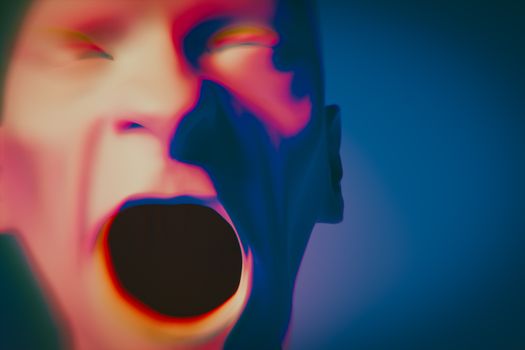 Photo: Steve A Johnson / Pexels
 Photo: Lean Leta / Pexels
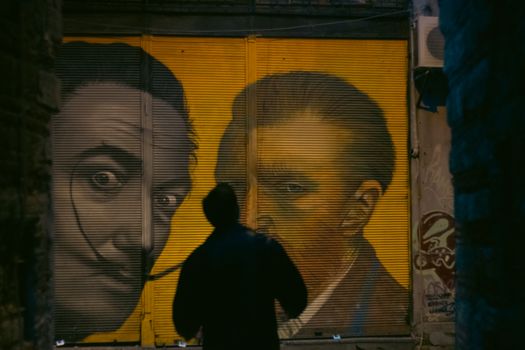 Photo: Eyüpcan Timur / Pexels
 Photo: Tima Miroshnichenko / Pexels