✓ You don't need a massive budget to start collecting art; passion and research are key.
✓ Developing your personal taste is more important than following trends.
✓ Authenticity and provenance are crucial for any art acquisition.
✓ Art collecting is a long-term journey, not a sprint.
How It Works
1
Define Your Motivation
Understand why you want to collect art – is it for aesthetic pleasure, cultural enrichment, or potential investment? This clarity will guide your choices and help shape your collection's direction.
2
Cultivate Your Eye
Immerse yourself in art by visiting galleries, museums, and art fairs. The more you see, the more you'll refine your preferences and identify what truly resonates with you.
3
Research and Learn
Educate yourself about artists, movements, and market values. Knowledge empowers you to make informed decisions and appreciate the nuances of the art you acquire.
4
Make Your First Acquisition
Start with a piece you love and can afford, ensuring you verify its authenticity and provenance. This initial step is often the most exciting and foundational to your collecting journey.
Understanding Your Motivation and Developing Your Eye for Art
Photo: rana aldemir / Pexels
Embarking on the journey of how to start an art collection is an exciting endeavor that begins not with a purchase, but with introspection. Before you even consider browsing galleries or auction catalogs, it's vital to understand *why* you want to collect art. Is it a desire to surround yourself with beauty, to support emerging artists, to engage with cultural narratives, or perhaps even as a long-term asset? Your motivation will profoundly influence the type of art you seek, the artists you follow, and the budget you allocate. For instance, if your primary goal is aesthetic pleasure and personal connection, you might prioritize pieces that evoke strong emotions or complement your living space, rather than focusing solely on market trends or blue-chip artists. Conversely, if you view art as an investment, your research might lean more heavily into market analytics, artist résumés, and potential for appreciation. There’s no right or wrong answer, but clarity here will serve as your compass.
Once you’ve established your 'why,' the next crucial step is to cultivate your eye. This is perhaps the most enjoyable and continuous part of the art collecting process. Developing your eye means immersing yourself in the world of art. Visit local galleries, museums, and university art departments. Attend art fairs – both large international expos and smaller, local events. Spend time with different mediums: painting, sculpture, photography, mixed media, digital art. Don't feel pressured to like everything, or even to understand everything immediately. The goal is exposure and discovery. Pay attention to what captivates you, what stirs your emotions, and what you find yourself returning to. Take notes, snap photos (where permitted), and engage with gallery staff. They are often incredibly knowledgeable and passionate resources. This process isn't about finding what's 'good' according to critics, but about discerning what resonates with *you*. Your personal taste is unique, and a truly meaningful collection reflects that individuality. Over time, as you see more art, you'll begin to identify patterns in your preferences – perhaps you're drawn to abstract expressionism, or minimalist sculpture, or vibrant contemporary portraits. This self-discovery is the bedrock of a truly personal and fulfilling art collection. Remember, collecting is a journey of learning and refinement, and your tastes will evolve. Embrace that evolution. For more on discovering your personal aesthetic, check out this guide on understanding art styles.
Navigating the Art Market: Research, Budgeting, and Sourcing Art
Photo: Christina & Peter / Pexels
With a clearer understanding of your motivations and a developing eye, the next phase in how to start an art collection involves practicalities: research, budgeting, and identifying where to acquire art. Thorough research is non-negotiable. Before making any purchase, learn about the artist. What is their background? Where have they exhibited? Do they have a consistent body of work? What is their critical reception? Websites like Artnet, Artsy, and even Wikipedia can provide initial insights, but also look for interviews, exhibition catalogs, and critical reviews. Understanding an artist's trajectory and the context of their work adds immense value, both intellectual and potentially financial, to your collection. Furthermore, research the specific piece you are considering. Understand its provenance – the history of its ownership. A clear provenance helps establish authenticity and value. For established artists, provenance might involve a documented chain of ownership from the artist's studio; for emerging artists, it might simply be a certificate of authenticity from the gallery. Always be wary of pieces without clear documentation.
Budgeting is another critical component. You don't need millions to start collecting art. Many first-time collectors begin with prints, editions, or works by emerging artists, often priced in the hundreds or low thousands. Determine a comfortable price range for your first few acquisitions. It's better to buy one good piece within your budget than several mediocre ones. Remember to factor in potential additional costs such as framing, shipping, and insurance. The art market offers various avenues for acquisition. Galleries are an excellent starting point, especially for contemporary art. Gallerists are experts in their artists and can provide invaluable information and guidance. They often represent artists exclusively and can facilitate studio visits or special commissions. Art fairs, as mentioned before, offer a concentrated view of many galleries and artists under one roof, providing a great opportunity to compare and contrast. Online platforms like Artsy, Saatchi Art, and Artfinder have democratized access to art, allowing you to browse and purchase from artists and galleries worldwide. However, exercise caution and due diligence when buying online, ensuring reputable sellers. Auction houses are another option, typically for more established artists or secondary market works, but require a deeper understanding of bidding strategies and market values. Don't be afraid to ask questions, negotiate (politely), and take your time. A considered purchase is almost always a better purchase than an impulsive one.
Making Your First Acquisition and Building a Cohesive Collection
Photo: SHVETS production / Pexels
The moment arrives when you've done your research, understood your motivations, and found a piece that truly speaks to you. Making your first acquisition is a significant milestone in how to start an art collection. It can be exhilarating, but also a little daunting. The most important advice for your first purchase is: buy what you love. While financial considerations might play a role, especially if you're viewing art as an investment, the primary joy of collecting comes from living with art that you genuinely connect with. Don't buy something just because you think it's 'hot' or because someone told you it's a 'good investment' if it doesn't resonate with your aesthetic. Your home is not a bank vault, and your collection should reflect your personal journey and taste. Before committing, ask about the artist's return policy, the gallery's authenticity guarantee, and any framing or installation services they might offer. Ensure you receive a bill of sale and a certificate of authenticity, especially for limited editions or unique works.
Once you've made your first purchase, the exciting process of building a cohesive collection begins. A collection isn't just a random assortment of pieces; it's a curated narrative. What story do you want your collection to tell? It could be a focus on a particular medium (e.g., photography), a specific art movement (e.g., Minimalism), a regional group of artists, or even a thematic interest (e.g., landscapes, portraiture). While your first few pieces might seem disparate, over time, you'll start to see connections and themes emerge. Allow your collection to evolve organically, but also guide it with intention. Consider how new acquisitions will relate to existing pieces. Do they create a dialogue? Do they offer a contrasting perspective? A cohesive collection often has a 'thread' that runs through it, whether visible or conceptual. Don't feel pressured to acquire works quickly. A truly meaningful collection is built over years, often decades, reflecting the collector's evolving tastes and insights. Engage with other collectors, join art collecting groups, and continue to learn. The art world is vast and constantly changing, offering endless opportunities for discovery and growth. For insights into framing your new acquisition, read our guide on choosing the right frame.
Common Pitfalls and Smart Strategies for New Art Collectors
Photo: RDNE Stock project / Pexels
Starting an art collection is a rewarding journey, but new collectors can encounter several common pitfalls. Being aware of these can save you time, money, and potential disappointment. One major mistake is buying impulsively without sufficient research. Enthusiasm is great, but a significant art purchase should always be preceded by due diligence on the artist, the piece, and its market value. Another common pitfall is focusing solely on 'investment potential' over personal connection. While art can appreciate, the market is volatile, and guaranteed returns are rare. Buy what you love first; any financial gain should be a bonus, not the sole driver.
Here are some smart strategies to navigate the art market and build a successful collection:
* **Start Small, Think Big:** Begin with more affordable pieces by emerging artists or limited-edition prints. This allows you to gain experience and refine your taste without a massive initial outlay. As your knowledge and budget grow, you can expand your horizons.
* **Build Relationships:** Cultivate relationships with gallerists, art advisors, and other collectors. These connections can provide invaluable insights, access to new artists, and early previews of exhibitions. A good gallerist acts as a trusted advisor.
* **Attend Artist Talks and Studio Visits:** Meeting artists in person can deepen your appreciation for their work and provide context that you can't get from a catalog. It also offers a unique opportunity to acquire pieces directly.
* **Document Everything:** Keep meticulous records of your acquisitions, including bills of sale, certificates of authenticity, artist bios, and any exhibition history. This documentation is crucial for insurance, future sales, or simply for your own enjoyment and understanding.
* **Consider Conservation:** Art is fragile. Understand the proper care and display conditions for your pieces. This might involve professional framing, climate control, or specific lighting. Protecting your investment ensures its longevity and preserves its value.
* **Insure Your Collection:** As your collection grows, consider insuring your art against theft, damage, or loss. Consult with insurance providers who specialize in fine art to ensure adequate coverage.
* **Don't Be Afraid to Ask:** The art world can seem intimidating, but most professionals are happy to share their knowledge. Ask questions about pricing, provenance, artist techniques, and market trends. There are no 'stupid questions' when it comes to making an informed purchase.
By avoiding common mistakes and adopting these strategic approaches, you can build an art collection that brings you immense personal satisfaction and potentially, a valuable asset.
Comparison
Feature
Emerging Artist (Direct/Gallery)
Mid-Career Artist (Gallery/Auction)
Blue-Chip Artist (Auction/Major Gallery)
Price Range (Entry)
$100 - $5,000
$5,000 - $50,000
$50,000+
Investment Risk
Higher (less established market)
Moderate (established, but still growing)
Lower (proven market, but high entry)
Personal Connection Potential
Very High (direct interaction possible)
High (often still accessible)
Moderate (less direct interaction)
Market Transparency
Varies (depends on gallery/platform)
Good (established pricing history)
Excellent (extensive records)
Accessibility for New Collectors
✓
✗
✗
Guidance from Experts
Gallery staff often very helpful
Gallery staff/auction specialists
Private advisors/auction specialists
What Readers Say
★★★★★
"This guide completely demystified how to start an art collection. I always thought it was for the super-rich, but it gave me practical steps to find art I love within my budget. My first piece now hangs proudly!"
Sarah J. · Brooklyn, NY
★★★★★
"As a design enthusiast, I wanted to incorporate original art but felt overwhelmed. This article broke down the process into manageable steps, from finding my style to understanding provenance. Highly recommend!"
Michael T. · Los Angeles, CA
★★★★★
"Following the advice here, I visited three local galleries and struck up conversations with gallerists. I ended up acquiring a beautiful print from an emerging artist, and the entire experience was incredibly rewarding. My living room feels so much more personal now."
Emily R. · Chicago, IL
★★★★★
"The information on budgeting and avoiding common pitfalls was particularly useful. I realized I was close to making an impulsive purchase. This guide helped me slow down and make a more informed decision, even if it meant waiting a bit longer."
David L. · Houston, TX
★★★★★
"I'm not looking to invest, just to fill my home with pieces I adore. This guide emphasized buying what you love, which was exactly the permission I needed. It's truly helped me curate spaces that reflect my personality."
Olivia M. · Miami, FL
Frequently Asked Questions
What's the absolute minimum budget to start an art collection?
There's no strict minimum, but you can realistically begin collecting original art or limited-edition prints for as little as a few hundred dollars. Many emerging artists offer works in this range, especially through online platforms or local art fairs. The key is to prioritize quality and personal connection over price.
Is art collecting only for wealthy individuals?
Absolutely not. While high-value art often grabs headlines, the vast majority of art collecting is done by individuals with varying budgets who simply love art. The focus should be on building a collection that resonates with you, not on the monetary value of each piece. Passion and research are far more important than wealth.
How do I ensure the art I'm buying is authentic?
Always purchase from reputable sources like established galleries, recognized art dealers, or reputable auction houses. For unique works, ask for a certificate of authenticity directly from the artist or gallery. For secondary market pieces, a clear provenance (documented history of ownership) is crucial. If in doubt, consult an art appraiser or advisor.
Should I buy art as an investment?
While art can appreciate in value, it's generally not advisable to buy art solely as a financial investment, especially for new collectors. The art market is complex, illiquid, and subject to trends. Prioritize buying art that you genuinely love and want to live with. Any potential financial gain should be considered a bonus, not the primary motivation.
What's the difference between an original painting and a print?
An original painting is a unique, one-of-a-kind work created directly by the artist. A print, on the other hand, is an image created from a master plate or digital file, often produced in multiple copies (an edition). Limited edition prints, signed and numbered by the artist, are considered collectible art, while open edition prints are more widely available and generally less valuable.
Who should consider starting an art collection?
Anyone with an appreciation for aesthetics, a desire to engage with culture, or simply a passion for surrounding themselves with beautiful and thought-provoking objects should consider starting an art collection. It's for individuals who find joy in discovery, learning, and personal expression through visual art, regardless of their background or budget.
What are the risks of buying art online from unknown sellers?
The primary risks include receiving inauthentic or damaged art, misrepresentation of the artwork's condition or origin, and difficulty with returns or refunds. Always use reputable online art platforms or websites with strong buyer protections. Thoroughly research the seller and artist, and look for clear images and detailed descriptions before committing to a purchase.
How will technology impact art collecting in the future?
Technology is already transforming art collecting through NFTs and digital art, making it possible to collect entirely new forms of art. AI tools are also assisting in market analysis and discovery. In the future, we can expect even more immersive virtual gallery experiences, enhanced authenticity verification through blockchain, and new ways to interact with and display art in both physical and digital spaces.
Ready to transform your space and enrich your life? Use this guide on how to start an art collection to confidently make your first acquisition and build a collection that truly speaks to you. Your artistic journey begins now.
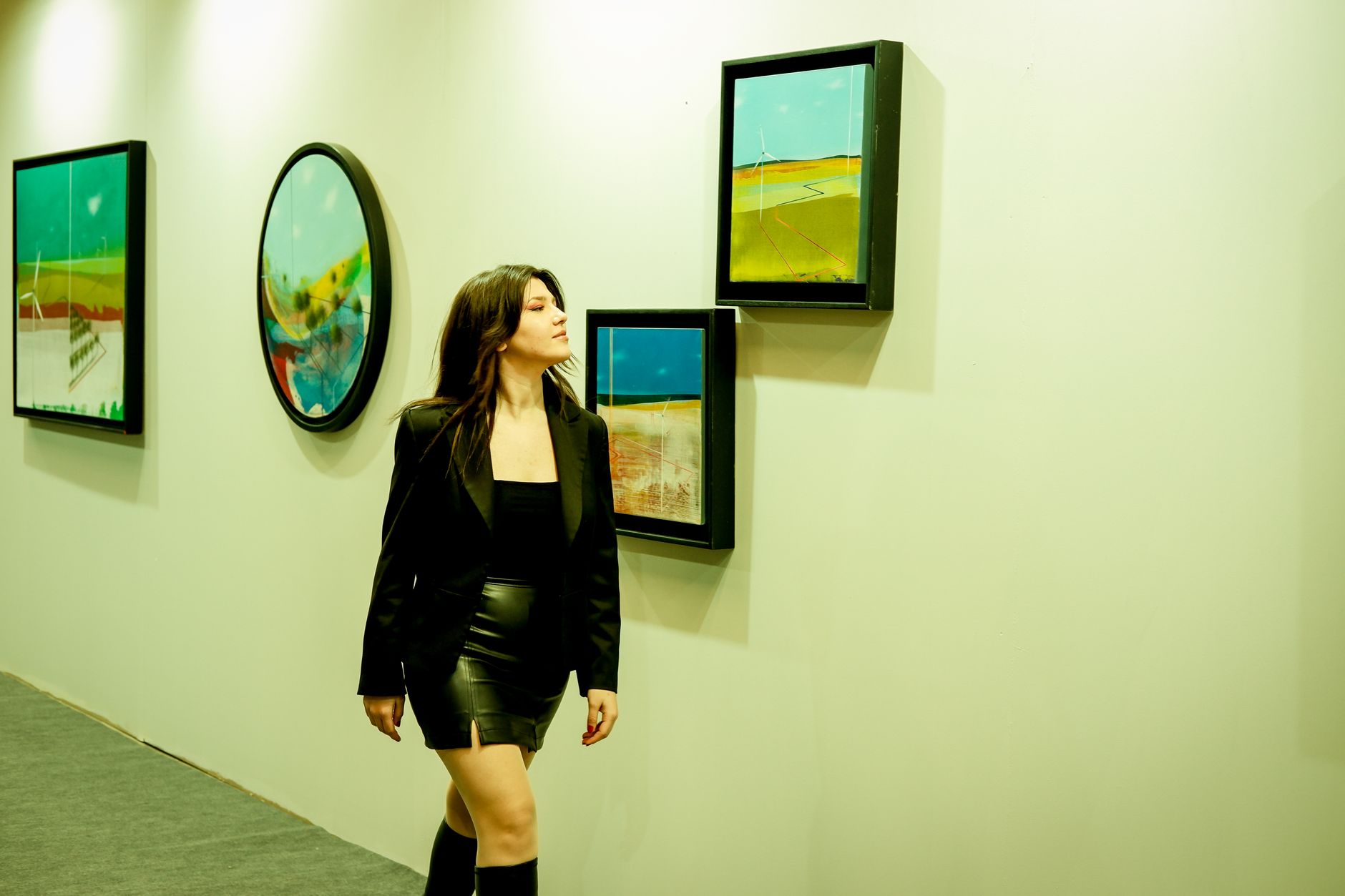
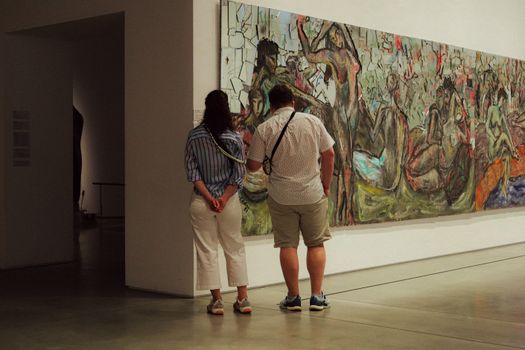 Photo: rana aldemir / Pexels
 Photo: Christina & Peter / Pexels
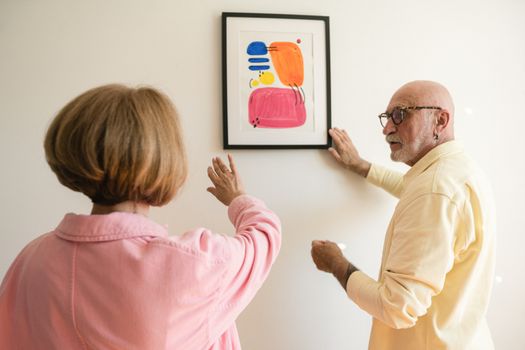 Photo: SHVETS production / Pexels
 Photo: RDNE Stock project / Pexels