✓ Limited edition prints offer original artwork at a more accessible price point than unique originals.
✓ Authenticity is guaranteed by an artist's signature, edition number, and often a Certificate of Authenticity (COA).
✓ The value of a limited edition print can appreciate over time, making it a potential investment.
✓ Understanding printmaking techniques enhances appreciation and helps in making informed purchasing decisions.
How It Works
1
Research Artists & Styles
Explore various artists, printmaking techniques, and art movements that resonate with your aesthetic. This initial exploration helps define your collecting focus.
2
Identify Reputable Sources
Seek out established galleries, online art platforms, and auction houses known for selling authentic limited edition prints. Verify their track record and authenticity guarantees.
3
Verify Authenticity & Provenance
Always confirm the print's edition size, artist's signature, and acquire a Certificate of Authenticity if available. Understanding the print's history adds to its value.
4
Consider Framing & Display
Proper framing with archival materials is crucial for preserving your print's condition and enhancing its visual appeal. Plan where and how you'll display your new acquisition.
Understanding the World of Limited Edition Prints
Photo: Steve A Johnson / Pexels
The allure of art is undeniable, but for many, the price tag of an original painting or sculpture can seem prohibitive. This is where limited edition prints step in, offering a magnificent bridge between accessibility and exclusivity. When you decide to buy limited edition prints, you're not just acquiring a reproduction; you're investing in an authentic piece of art, directly from the artist's vision, produced in a finite quantity. This scarcity is what gives them their unique value and appeal. Unlike open edition prints, which can be reproduced endlessly, limited editions are numbered, signed by the artist, and the total number of prints created is fixed, ensuring their rarity. This commitment to a defined quantity significantly impacts their collectibility and potential for appreciation. The process of creating a limited edition print often involves intricate printmaking techniques such as etching, lithography, screenprinting, or giclée. Each method lends a distinct texture, depth, and character to the final artwork. For instance, an etching might feature delicate, incised lines, while a screenprint could boast bold, vibrant colors. Understanding these techniques enriches the collecting experience, allowing you to appreciate the craftsmanship involved in each piece. Artists often oversee or even directly participate in the printing process to ensure that each print faithfully represents their artistic intent, making every piece a direct extension of their creative output. The decision to buy limited edition prints is often driven by several factors. Firstly, it allows collectors to own works by renowned artists at a fraction of the cost of their original pieces. This democratizes art ownership, making high-quality art accessible to a broader audience. Secondly, the limited nature of these prints means that they hold a unique position in the art market; they are not mass-produced, and their scarcity can contribute to their value over time. For budding collectors, limited edition prints offer an excellent entry point into the art world, providing an opportunity to learn about artists, techniques, and the market without the high financial commitment often associated with original works. Moreover, owning a limited edition print connects you directly to the artist's narrative and creative journey. Each signature and number tells a story of authenticity and a shared vision between creator and collector. It's an opportunity to support artists directly and become a custodian of their work, contributing to the broader arts community. The journey of acquiring these prints is as rewarding as the art itself, involving research, discovery, and a deepening appreciation for artistic expression. As you delve deeper, you'll uncover a rich tapestry of styles, movements, and techniques, each offering a unique window into the artist's soul. This initial understanding is crucial for anyone looking to confidently navigate the market and make informed decisions when they buy limited edition prints, ensuring their collection is both personally fulfilling and potentially valuable. The allure of a piece that is one of only a hundred, or even ten, is a powerful draw, hinting at a special connection with the artist's creative moment. This exclusivity fosters a sense of ownership over a unique fragment of artistic history, making the act of collecting not just an aesthetic pursuit but also an intellectual and emotional one.
Navigating the Market: Where to Find Authentic Limited Edition Artwork
Photo: İrem 🎈 / Pexels
Once you're ready to buy limited edition prints, the next crucial step is knowing where to look to ensure authenticity and fair pricing. The market for limited edition artwork is diverse, offering several reputable avenues for acquisition. Online art platforms have revolutionized access to art, connecting collectors with artists and galleries worldwide. Websites like Artsy, Saatchi Art, and Artnet feature extensive selections of limited edition prints, often accompanied by detailed descriptions, artist biographies, and high-resolution images. These platforms typically vet their sellers, offering a degree of security, but it's always wise to research individual galleries or artists listed. Dedicated print dealers and specialized galleries are another excellent resource. These establishments often have deep expertise in specific printmaking techniques or artistic movements. Their staff can provide invaluable insights, historical context, and guidance tailored to your interests and budget. Visiting these galleries in person allows you to see the prints firsthand, appreciate their texture and scale, and discuss their provenance directly with experts. Auction houses, both physical and online, also offer a dynamic way to acquire limited edition prints. Major houses like Sotheby's and Christie's, alongside regional auctioneers, frequently feature prints by established and emerging artists. While auctions can be exciting, they require careful research into the lot's condition, estimated value, and buyer's premium. Always examine the condition reports thoroughly and consider getting an independent appraisal if you're making a significant investment. Artist studios and direct sales are increasingly popular, especially with the rise of social media and personal websites. Many artists sell limited edition prints directly from their studios, offering a more intimate connection with the creator. This can be a fantastic way to support artists directly and sometimes find unique editions or artist proofs not available elsewhere. However, when buying directly, ensure all details regarding edition size, signature, and authenticity are clearly communicated. Art fairs, like Art Basel, Frieze, or regional events, provide a vibrant environment to discover new artists and galleries. These events gather a vast array of artwork under one roof, allowing you to compare different styles and prices, and often meet gallery owners or even artists themselves. It's an immersive experience that can accelerate your learning curve and introduce you to pieces you might not encounter online. When evaluating a source, always look for clear information on the print's edition number, the artist's signature, and whether a Certificate of Authenticity (COA) is provided. A COA, issued by the artist or a reputable gallery, verifies the print's authenticity and details its specifications. Reputable sellers will be transparent about these details and happy to answer any questions you have. Furthermore, consider their return policies and shipping practices, especially for delicate art pieces. Building relationships with galleries or dealers you trust can be incredibly beneficial over time. They can alert you to new acquisitions, provide advice on collecting, and even help you source specific pieces. The journey to buy limited edition prints is as much about building a network of trusted resources as it is about finding the perfect piece of art. By diversifying your search and remaining vigilant about authenticity, you can confidently navigate the market and build a collection that brings lasting joy and value.
Authenticity, Value, and Preserving Your Investment in Prints
Photo: Gül Işık / Pexels
When you decide to buy limited edition prints, understanding their authenticity, potential for value, and the best practices for preservation becomes paramount. These factors directly influence your enjoyment of the art and its long-term integrity. The bedrock of a print's authenticity lies in its edition number and the artist's signature. A typical edition number will appear as a fraction, for example, '15/100', meaning it's the 15th print out of a total edition of 100. This number, along with the artist's hand-signed signature (usually in pencil below the image), verifies that the print is part of a finite series approved by the artist. Beyond the standard edition, you might encounter 'Artist's Proofs' (AP), 'Printer's Proofs' (PP), or 'Hors Commerce' (HC) prints. These are usually outside the main edition but are also signed and numbered, often indicating their special status within the print run. An Artist's Proof, for instance, might be retained by the artist for their personal collection or for exhibition purposes, sometimes making them even more desirable to collectors. A Certificate of Authenticity (COA) is another critical document. Issued by the artist, gallery, or publisher, a COA provides a detailed record of the print, including the artist's name, title, date, medium, edition size, and often the print's specific number. Always request a COA when purchasing a significant limited edition print; it serves as a vital record of your acquisition and can be crucial for insurance or resale purposes. The value of a limited edition print is influenced by several factors. The artist's reputation and career trajectory are primary drivers. Works by highly sought-after or historically significant artists tend to command higher prices and appreciate more significantly. The condition of the print is also vital; pristine condition, free from fading, creases, or damage, is crucial for maintaining value. Scarcity, meaning a smaller edition size, often contributes to higher value, as does the print's subject matter or its significance within the artist's oeuvre. Provenance, the history of ownership, can also add to a print's desirability and value, especially if it has been part of a notable collection. Preserving your investment requires careful attention to framing and display. Prints should always be framed using archival, acid-free materials to prevent degradation. This includes acid-free mat boards, backing boards, and UV-filtering glass or acrylic. Exposure to direct sunlight or strong artificial light can cause irreversible fading, so choose a display location carefully. Stable temperature and humidity are also essential; extreme fluctuations can lead to warping, cockling, or the growth of mold. Avoid displaying prints in bathrooms, basements, or near heat sources. For long-term storage of unframed prints, use archival sleeves or boxes, stored flat in a cool, dry, and dark environment. Regular inspection of your prints for any signs of damage or deterioration is recommended. Proper care not only protects your investment but also ensures that the beauty of the artwork can be enjoyed for generations. When you buy limited edition prints, you're not just acquiring art; you're taking on the responsibility of its guardianship, ensuring its longevity and continued appreciation. Understanding these nuances empowers you to make informed choices and safeguard your valuable art collection for years to come. This meticulous attention to detail from acquisition to preservation underscores the commitment of serious collectors and highlights the unique journey each print takes from the artist's studio to your wall.
Smart Collecting: Tips and Common Mistakes to Avoid When Buying Limited Edition Prints
Photo: www.kaboompics.com / Pexels
Embarking on the journey to buy limited edition prints can be incredibly rewarding, but like any investment or passion, it comes with its own set of considerations. To ensure a positive experience and build a collection you'll cherish, here are essential tips and common mistakes to avoid:
**Tips for Smart Collecting:**
* **Educate Yourself:** Before making any purchase, spend time learning about different printmaking techniques (etching, lithography, screenprint, giclée), art history, and the artists you admire. The more you know, the more confident you'll be in your choices.
* **Define Your Aesthetic:** What kind of art truly resonates with you? Is it abstract, figurative, landscape, or portraiture? Identifying your personal taste will help you focus your search and build a cohesive collection that you love.
* **Set a Budget:** Limited edition prints come in a wide range of prices. Establish a realistic budget before you start looking to avoid overspending and to prioritize your acquisitions.
* **Buy What You Love:** While prints can appreciate in value, the primary reason to buy art should be personal enjoyment. Choose pieces that you genuinely connect with and would be happy to live with, regardless of their market performance.
* **Inspect Carefully (or Request Detailed Photos):** If buying in person, thoroughly examine the print for any damage, creases, fading, or foxing (age-related spots). If buying online, request high-resolution images of the front, back, signature, and edition number.
* **Ask Questions:** Don't hesitate to ask sellers about the print's provenance, condition, framing history, and any available documentation like a Certificate of Authenticity. A reputable seller will be transparent and helpful.
* **Consider Framing Early:** Factor the cost of archival framing into your budget. Proper framing protects your investment and enhances the print's presentation.
**Common Mistakes to Avoid:**
* **Confusing 'Limited Edition' with 'Open Edition' or 'Poster':** Open edition prints can be reproduced indefinitely and generally hold no investment value. Posters are typically mass-produced reproductions. Ensure you are buying a true limited edition print with an artist's signature and edition number.
* **Ignoring Condition:** A damaged or poorly preserved print will significantly diminish its value and aesthetic appeal. Don't compromise on condition, especially for higher-priced pieces.
* **Buying from Unverified Sources:** Be wary of unknown online sellers, social media accounts without established reputations, or street vendors. Stick to reputable galleries, auction houses, and established online art platforms.
* **Neglecting Archival Framing:** Using non-archival materials can cause irreversible damage to your print over time, leading to yellowing, acid burn, and fading. This is a crucial step not to skimp on.
* **Impulse Buying:** While passion is important, avoid making rushed decisions. Take time to research the artist, compare prices, and ensure the print fits your collection and budget.
* **Focusing Solely on Investment:** While prints can appreciate, the art market is unpredictable. Buy prints because you love them, and any financial gain should be a bonus, not the sole motivator.
* **Overlooking Storage:** If you're not framing a print immediately, improper storage can lead to damage. Never store unframed prints rolled up tightly or in damp, fluctuating environments. Always store flat in archival materials.
By following these guidelines, you can confidently navigate the market and build a meaningful and valuable collection when you buy limited edition prints, transforming your space with unique artistic expressions.
Comparison
Feature
Limited Edition Print
Original Painting
Open Edition Print
Authenticity
Artist signed & numbered
Unique, artist created
Reproduction
Scarcity
Fixed, finite quantity
One-of-a-kind
Unlimited production
Price Point
Accessible to moderate
High to very high
Low
Investment Potential
✓
✓
✗
Direct Artist Connection
✓
✓
✗
Certificate of Authenticity
Often included
Sometimes (gallery)
Rarely
What Readers Say
★★★★★
"I was hesitant to buy limited edition prints online, but after reading comprehensive guides, I found a fantastic gallery. The print arrived perfectly framed, and it's even more stunning in person. It feels so special to own a piece of art that's one of a kind."
Sarah J. · Austin, TX
★★★★★
"As a new collector, understanding how to buy limited edition prints was crucial. The information on print techniques and authenticity checks gave me the confidence to make my first purchase. It's now a focal point in my living room."
Michael D. · Brooklyn, NY
★★★★★
"Thanks to detailed advice, I successfully acquired a beautiful limited edition lithograph by an artist I admire. The framing guidance was spot on, and the print is now perfectly preserved, enhancing my home's aesthetic immensely."
Emily R. · Los Angeles, CA
★★★★★
"The insights into market navigation were very helpful. While I initially struggled to find a piece within my budget, the advice on researching artists and galleries led me to a fantastic emerging artist whose work I truly love. The process was a bit slower than I expected, but worth it."
David L. · Chicago, IL
★★★★★
"I used to think art collecting was out of reach, but learning how to buy limited edition prints changed my perspective. I found a vibrant screenprint that brings so much life to my office. It's amazing to own something so unique and artistic."
Jessica M. · Miami, FL
Frequently Asked Questions
What makes a limited edition print different from a regular print?
A limited edition print is produced in a finite, predetermined quantity, signed and numbered by the artist, and often accompanied by a Certificate of Authenticity. This contrasts with 'open edition' prints or posters, which can be reproduced indefinitely and typically lack the artist's signature or inherent scarcity, thus holding less artistic and financial value.
How can I be sure a limited edition print is authentic?
To ensure authenticity, look for the artist's hand signature and edition number (e.g., 15/100) on the print itself. Always request a Certificate of Authenticity (COA) from a reputable gallery, artist, or publisher. Research the seller's reputation and their return policies to further safeguard your purchase.
What are the common printmaking techniques I should know about?
Common techniques include lithography (drawing on stone/metal), etching (incising lines into a metal plate), screenprinting (forcing ink through a mesh stencil), and giclée (high-quality inkjet printing). Each technique offers unique visual characteristics and textures, influencing the print's aesthetic and sometimes its value.
Are limited edition prints a good investment?
Limited edition prints can be a good investment, particularly if they are by established or emerging artists whose work is gaining recognition. Their value can appreciate due to scarcity, artist reputation, and historical significance. However, like all art, market fluctuations exist, so collect primarily for aesthetic enjoyment.
How do limited edition prints compare to original paintings in terms of value?
Original paintings are unique, one-of-a-kind creations and generally command higher prices than limited edition prints by the same artist. Prints offer a more accessible entry point into collecting an artist's work, providing authenticity and potential appreciation at a fraction of the cost of an original.
Who should consider buying limited edition prints?
Anyone passionate about art, looking to start an art collection, or seeking to own high-quality, authentic artwork without the significant investment required for original pieces should consider buying limited edition prints. They are also ideal for those wanting to support artists directly and acquire unique decorative pieces for their home or office.
What are the risks associated with buying limited edition prints?
The main risks include acquiring a counterfeit or misattributed print, purchasing a damaged piece, or overpaying due to a lack of market knowledge. Mitigate these risks by buying from reputable sources, thoroughly inspecting the print, verifying authenticity, and educating yourself on fair market values.
How will the digital age impact the future of limited edition prints?
The digital age has expanded access to limited edition prints through online galleries and direct artist sales, making them more discoverable globally. While digital tools like giclée printing are prevalent, traditional printmaking techniques continue to thrive. The emphasis on authenticity, artist signature, and finite editions will remain crucial, ensuring their unique place in the art market.
Ready to transform your space and enrich your life with art? Begin your journey to buy limited edition prints today. Explore reputable galleries, discover artists who inspire you, and confidently invest in unique pieces that will bring lasting joy and cultural value to your home.
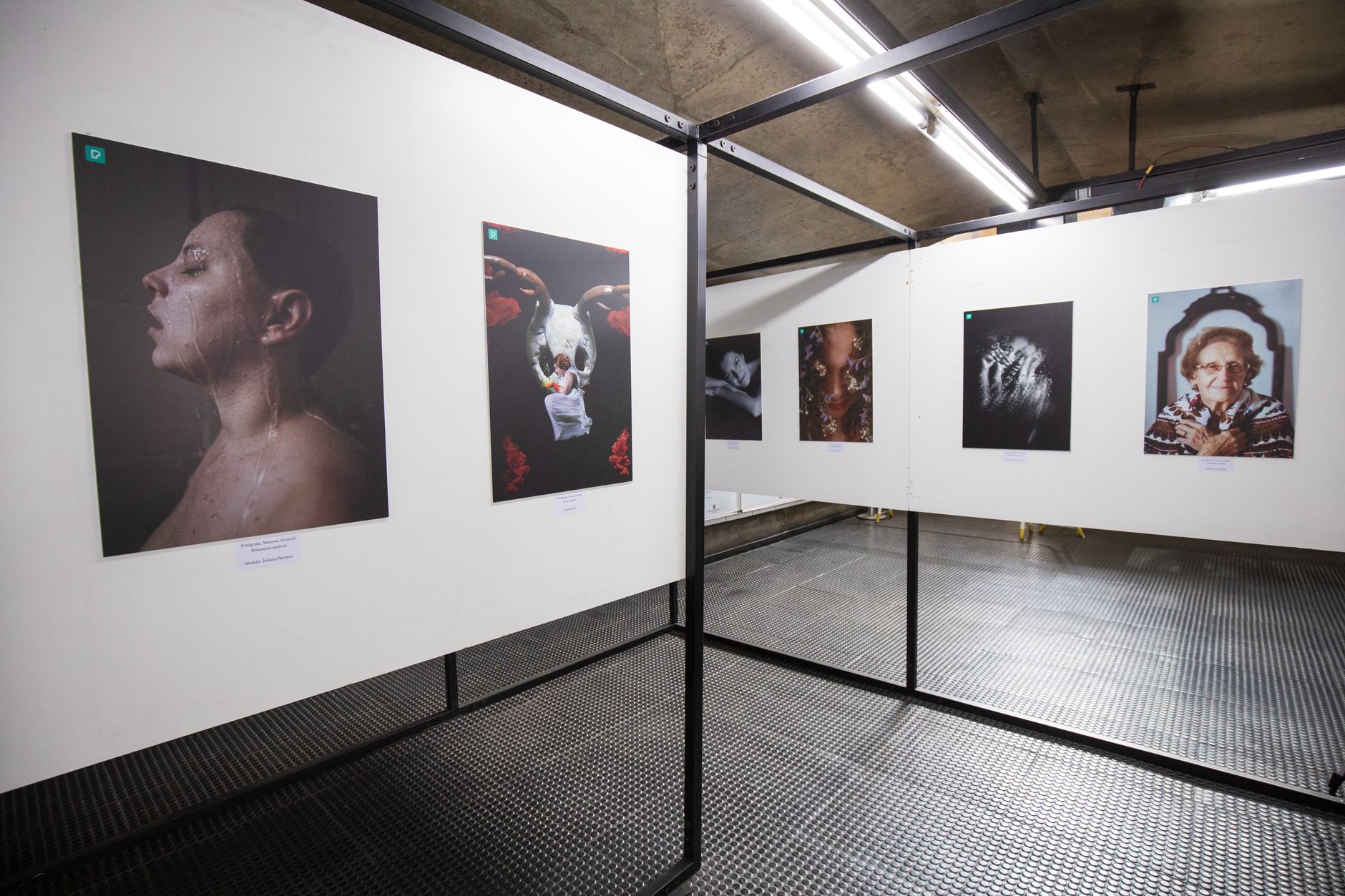
 Photo: Steve A Johnson / Pexels
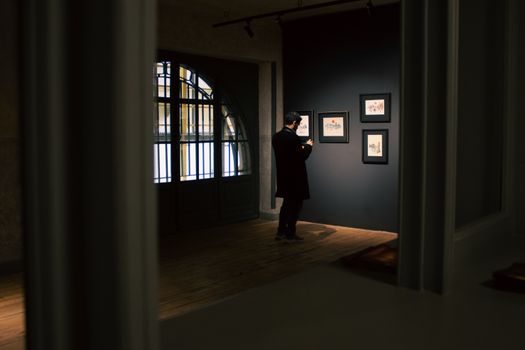 Photo: İrem 🎈 / Pexels
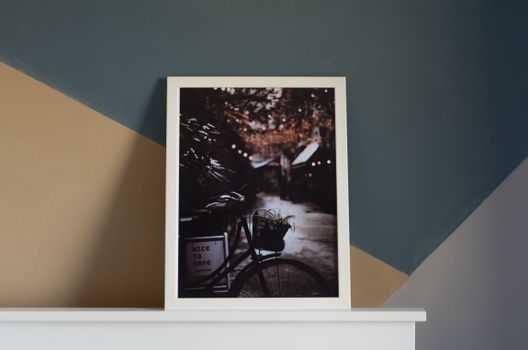 Photo: Gül Işık / Pexels
 Photo: www.kaboompics.com / Pexels