✓ Limited edition prints are produced in a finite quantity, signed and numbered by the artist.
✓ Authenticity is paramount, often guaranteed by a Certificate of Authenticity (COA).
✓ They offer an accessible entry point into the art market compared to original works.
✓ Value can appreciate over time, making them a potential investment.
How It Works
1
Research Artists & Styles
Explore various artists, genres, and movements to identify what resonates with your aesthetic and potential investment goals. Understanding different printmaking techniques is also beneficial.
2
Identify Reputable Sources
Seek out established galleries, online platforms, and artist studios known for their integrity and transparent practices. Verify their return policies and authentication processes.
3
Verify Authenticity & Provenance
Always ensure the print comes with a Certificate of Authenticity (COA) and details about the edition size, artist's signature, and numbering. Check for any signs of damage or restoration.
4
Consider Framing & Display
Proper archival framing is crucial for preserving your limited edition print and enhancing its aesthetic appeal. Protect it from direct sunlight and humidity to maintain its condition.
Understanding the Allure of Limited Edition Art Prints
Photo: Steve A Johnson / Pexels
The world of art collecting can often feel exclusive and intimidating, with original paintings and sculptures commanding astronomical prices. However, limited edition art prints offer a compelling and accessible alternative for both nascent collectors and seasoned enthusiasts alike. These aren't mere reproductions; they are original works of art, conceived by the artist, and produced in a finite number. Each print in the edition is typically signed and numbered by the artist, signifying its authenticity and place within the limited run. This scarcity is a fundamental aspect of their appeal, distinguishing them from open edition prints which can be produced indefinitely.
When you buy limited edition art prints, you're not just acquiring a decorative piece; you're investing in a tangible asset with a unique story and artistic intent. The artist is directly involved in the creation process, often overseeing the printing and approving each impression. This hands-on approach ensures that every print meets their exacting standards. Techniques range from traditional methods like etching, lithography, and screenprinting to modern digital archival pigment prints (giclée). Each method imparts a distinct aesthetic quality and texture, adding another layer of appreciation for the collector. Understanding these techniques can deepen your connection to the artwork and inform your purchasing decisions. For instance, a hand-pulled lithograph might have a different tactile quality and depth of color compared to a digitally produced giclée.
Beyond their artistic merit, limited edition prints offer a practical advantage. They allow collectors to own a piece of art by a renowned or emerging artist without the financial commitment required for an original painting. This accessibility broadens the art market, making it possible for more people to engage with and support artists directly. Furthermore, the limited nature of these editions often means their value can appreciate over time, especially if the artist's reputation grows or the demand for their work increases. This potential for investment adds another layer of excitement to collecting. The journey of discovering a new artist, acquiring a significant print, and watching its value evolve can be incredibly rewarding. It's an opportunity to connect with art on a deeper level, to live with pieces that inspire and provoke thought, and to build a personal collection that reflects your tastes and values. Exploring different styles and movements can truly transform your living space into a personal gallery. To delve deeper into the broader art world, consider exploring various art movements and their impact on contemporary aesthetics. This foundational knowledge will further enrich your collecting experience and help you identify pieces that truly resonate with your personal vision and aesthetic preferences.
The act of acquiring a limited edition print is also a more intimate experience than simply buying mass-produced decor. It involves a conscious decision to support an artist's vision and become a custodian of a piece of their creative output. The provenance, the story behind the print, and the artist's intention all contribute to its unique character. This makes each acquisition a personal milestone, a story to tell, and a piece of cultural heritage to cherish. The market for these prints is dynamic, with new releases constantly emerging from established artists and exciting newcomers. Staying informed about upcoming editions and gallery shows can provide early access to desirable pieces, often at more favorable prices. This proactive approach is key to building a compelling and valuable collection over time. The thrill of the chase, the discovery of a hidden gem, and the satisfaction of owning a unique piece are all part of the rewarding experience of collecting limited edition art prints.
Navigating the Market: Where to Find and Buy Limited Edition Art Prints
Photo: Steve A Johnson / Pexels
The digital age has revolutionized how we access and buy limited edition art prints, opening up a global marketplace while also necessitating a keen eye for reputable sources. Gone are the days when physical galleries were the sole gatekeepers of art; now, a vast array of online platforms, artist websites, and virtual exhibitions offer unparalleled access. However, with this expanded access comes the responsibility of due diligence. The first and arguably most crucial step is to identify trustworthy vendors. Reputable art galleries, both brick-and-mortar and online, are excellent starting points. They often have established relationships with artists, a rigorous vetting process for their inventory, and a commitment to authenticity. Look for galleries with a long history, positive reviews, and transparent policies regarding provenance and returns.
Online art marketplaces have also become prominent players, connecting artists and collectors worldwide. Platforms like Artnet, Artsy, Saatchi Art, and even specialized print-focused sites offer extensive inventories. When using these platforms, always check the seller's reputation, read reviews, and understand their authentication processes. Many platforms facilitate direct communication with artists or galleries, allowing you to ask detailed questions before committing to a purchase. Artist-direct sales, either through their personal websites or studios, represent another fantastic avenue. Buying directly from the artist ensures that your support goes entirely to them and often provides an opportunity for a more personal connection to the artwork and its creator. These direct channels can also be where you find the most recent releases or unique artist proofs.
Beyond these common avenues, consider attending art fairs and print shows. Events like Art Basel, Frieze, and numerous regional art fairs bring together galleries and artists from around the world, offering a chance to see prints in person, speak with gallerists, and discover new talent. These events can be invaluable for understanding current trends and making informed decisions. Auction houses, both physical and online, also offer limited edition prints, often from secondary markets. While they can present opportunities for acquiring sought-after pieces, it's essential to understand auction dynamics, buyer's premiums, and the condition reports provided. Always scrutinize the provenance and authenticity documentation when purchasing from an auction. Lastly, don't overlook university art departments or non-profit printmaking studios, which often host sales or exhibitions of student and faculty work, sometimes offering limited editions at more accessible price points while supporting emerging artists. Regardless of the source, always prioritize clear communication, thorough documentation, and a solid understanding of the vendor's reputation to ensure a secure and satisfying acquisition.
Ensuring Authenticity and Understanding Value in Your Art Print Acquisition
When you buy limited edition art prints, the question of authenticity is paramount. Unlike mass-produced posters, a limited edition print holds its value and artistic integrity precisely because of its finite nature and the artist's direct involvement. The cornerstone of authenticity is typically the artist's signature and the edition number. A genuine limited edition print will bear the artist's hand-signed signature, often in pencil below the image, along with two numbers separated by a slash (e.g., 5/100). The first number indicates the print's position within the edition, and the second denotes the total size of the edition. This numbering system confirms its limited status. Additionally, you might encounter other markings such as 'AP' (Artist's Proof), 'PP' (Printer's Proof), or 'BAT' (Bon à Tirer – French for 'good to pull'), which are variations within the edition, often holding unique value and significance.
Beyond the signature and numbering, a Certificate of Authenticity (COA) is a vital document. Issued by the artist, their studio, or a reputable gallery, a COA typically includes details such as the artist's name, title of the artwork, printmaking technique, edition size, date of creation, and often a unique identification number. It serves as a formal guarantee of the print's origin and legitimacy. Always request and retain this certificate, as it's crucial for future appraisal, insurance, or resale. Without proper documentation, verifying the authenticity and provenance of a print can become challenging, potentially impacting its perceived value. It's also wise to research the artist's typical practices; some artists may use a chop mark or an embossed seal in addition to their signature, adding another layer of verification. Understanding the nuances of these authentication methods is key to making informed decisions when looking to collecting art with confidence.
Understanding the value of a limited edition print goes beyond its initial purchase price. Factors influencing value include the artist's reputation and market demand, the rarity of the edition (smaller editions generally command higher prices), the printmaking technique used (some traditional techniques are more labor-intensive and thus valued higher), and the print's condition. A print in pristine condition, free from fading, creases, or damage, will always be more valuable than one that has been poorly stored or displayed. Provenance, the history of ownership, can also significantly impact value, especially for prints by historically important artists. A clear, well-documented provenance adds to the print's story and verifiable authenticity. While there's no guarantee of investment appreciation, collecting art prints from established artists or emerging talents with growing recognition can be a rewarding long-term strategy. Regularly consulting with art appraisers or market reports can help you understand the current market trends and the evolving value of your collection. Ultimately, while potential investment is a factor, the primary motivation for collecting should be a genuine appreciation for the art itself.
Preservation & Display: Maximizing the Lifespan and Impact of Your Prints
Once you buy limited edition art prints, proper preservation and display become paramount to maintaining their condition and value for years to come. The delicate nature of paper and inks means they are susceptible to environmental damage, which can lead to irreversible deterioration. The most significant threats are light, humidity, temperature fluctuations, and acidic materials. Therefore, archival framing is not merely an aesthetic choice but a critical protective measure. This involves using acid-free mats, backing boards, and UV-filtering glass or acrylic. Regular glass offers little protection against harmful ultraviolet rays, which can cause inks to fade and paper to yellow over time. UV-filtering options, while a slightly higher initial investment, are essential for long-term preservation.
When displaying your prints, consider their placement carefully. Avoid direct sunlight, even with UV-filtering glass, as prolonged exposure can still cause damage. Similarly, keep prints away from sources of excessive heat or cold, such as radiators, air conditioning vents, or exterior walls, which can lead to temperature and humidity swings. Ideal conditions involve stable temperature and humidity levels, typically around 68-72°F (20-22°C) and 45-55% relative humidity. Bathrooms and basements, known for fluctuating moisture levels, are generally unsuitable environments for displaying valuable art prints. If you live in an area with high humidity, consider using a dehumidifier in your art-display areas.
Beyond framing and placement, handling your prints with care is crucial. Always wear clean cotton gloves when handling unframed prints to prevent transferring oils and dirt from your hands to the paper. Store unframed prints flat in acid-free archival boxes or portfolios, separated by acid-free tissue paper. Never roll or fold prints unless absolutely necessary and only for short-term transport. Regular, gentle cleaning of the frame's glass with a soft, lint-free cloth is advisable, but avoid spraying cleaners directly onto the glass, as liquids can seep under the frame and damage the artwork. Periodically inspect your framed prints for any signs of damage, such as mold, insect activity, or warping, and address issues promptly. By adhering to these preservation guidelines, you ensure that your limited edition art prints remain vibrant, valuable, and a source of joy for generations.
Comparison
Feature
Limited Edition Prints
Open Edition Prints
Original Artwork
Scarcity
Finite quantity, numbered & signed
Unlimited production
Unique, one-of-a-kind
Artist Involvement
Direct oversight/creation
Minimal/none in reproduction
Direct creation
Investment Potential
Moderate to High
Low
High
Accessibility/Price
Accessible entry point
Very affordable
Often very high
Authenticity
COA, signature, numbering
Usually none
Provenance, artist direct
Uniqueness
✓
✗
✓
What Readers Say
★★★★★
"I was hesitant to buy limited edition art prints online, but this guide gave me the confidence to find a reputable gallery. The print I bought is absolutely stunning and came with a clear COA. Such a rewarding experience!"
Sarah J. · Austin, TX
★★★★★
"As a new collector, I found the information on authenticity and value incredibly helpful. It demystified the process and allowed me to make an informed purchase. My home now features a beautiful, unique piece."
Mark D. · Seattle, WA
★★★★★
"Following the advice on archival framing, my limited edition print looks fantastic and I'm confident it's protected for years. The details on recognizing genuine prints saved me from a potential misstep. Highly recommend this resource!"
Emily R. · Brooklyn, NY
★★★★★
"The guide was very comprehensive, especially on where to find prints. While I still have much to learn, it provided a solid foundation for beginning my collection. Some more examples of specific printmaking techniques would be a nice addition."
David L. · Miami, FL
★★★★★
"I used to just buy posters, but after reading this, I understand the true value of limited edition art prints. I purchased a print from an emerging artist, and it brings so much character to my office. It feels like a real investment in art."
Jessica M. · Denver, CO
Frequently Asked Questions
What exactly makes an art print 'limited edition'?
A limited edition art print is an artwork produced in a predetermined, finite quantity. Each print in the edition is typically hand-signed and numbered by the artist (e.g., 1/100), indicating its specific place within the total number of prints created. Once the stated number of prints is produced, no more are made, ensuring its scarcity and potential for increased value.
How can I be sure a limited edition print is authentic?
To ensure authenticity, always look for the artist's hand-signed signature and the edition number directly on the print. Most reputable sellers will also provide a Certificate of Authenticity (COA) from the artist or gallery, detailing the artwork's information and guaranteeing its legitimacy. Researching the artist's typical practices and the seller's reputation also adds a layer of security.
What's the best way to care for and display my limited edition print?
The best way to care for your print is to have it professionally framed using archival materials, including acid-free mats, backing, and UV-filtering glass. Display it away from direct sunlight, extreme temperatures, and high humidity. Avoid touching the print surface directly, and store unframed prints flat in acid-free portfolios.
Are limited edition art prints a good investment?
Limited edition art prints can be a good investment, especially if you acquire pieces by established artists or emerging talents whose work gains recognition over time. Factors like the artist's reputation, edition size, and the print's condition influence potential appreciation. While not guaranteed, they offer a more accessible entry point to art investment compared to original works.
What's the difference between a limited edition print and an open edition print?
The key difference is quantity. Limited edition prints are produced in a specific, finite number, signed and numbered by the artist, making them scarce. Open edition prints, conversely, can be produced indefinitely, are typically not signed or numbered, and are generally considered decorative reproductions with little to no investment value.
Who should consider buying limited edition art prints?
Anyone who appreciates art and wishes to own unique, high-quality pieces without the significant investment required for original paintings or sculptures should consider limited edition prints. They are perfect for new collectors, art enthusiasts looking to diversify their collection, or individuals seeking meaningful decor that supports artists.
What are common mistakes to avoid when buying these prints?
Common mistakes include not verifying authenticity, buying from unverified sources, neglecting to use archival framing, and not understanding the difference between various printmaking techniques. Also, be wary of prints that seem too good to be true in price or lack proper documentation.
How do digital printing techniques like Giclée fit into limited editions?
Giclée is a high-quality inkjet printing process often used for fine art reproductions. When a Giclée is designated as 'limited edition,' it means the artist has personally overseen its creation, signed and numbered each print, and committed to producing only a specific, finite quantity. They are considered legitimate limited edition prints if authenticated and produced under the artist's direct supervision.
Ready to transform your space and enrich your life with unique art? Start your journey to buy limited edition art prints today. Explore reputable galleries and artists, and begin building a collection that reflects your passion and personal style.

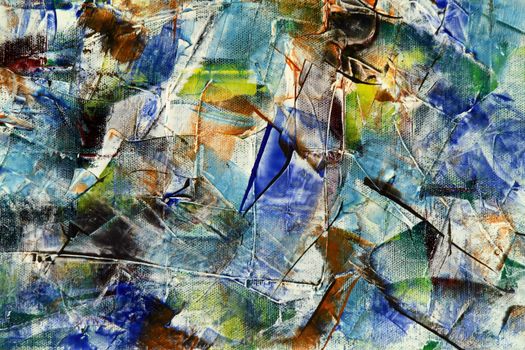 Photo: Steve A Johnson / Pexels
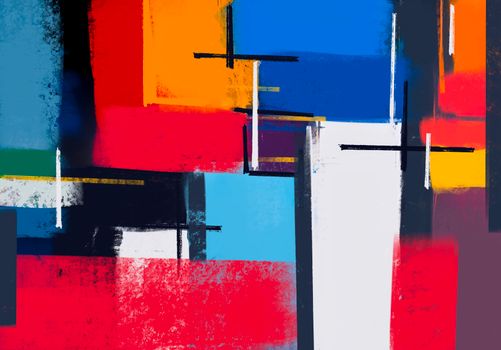 Photo: Steve A Johnson / Pexels